Kyoto to Kōyasan by river path and mountain road, or the Seto Inland Sea island by island: self-guided bike tours and cycling holidays in Japan.
Highlights
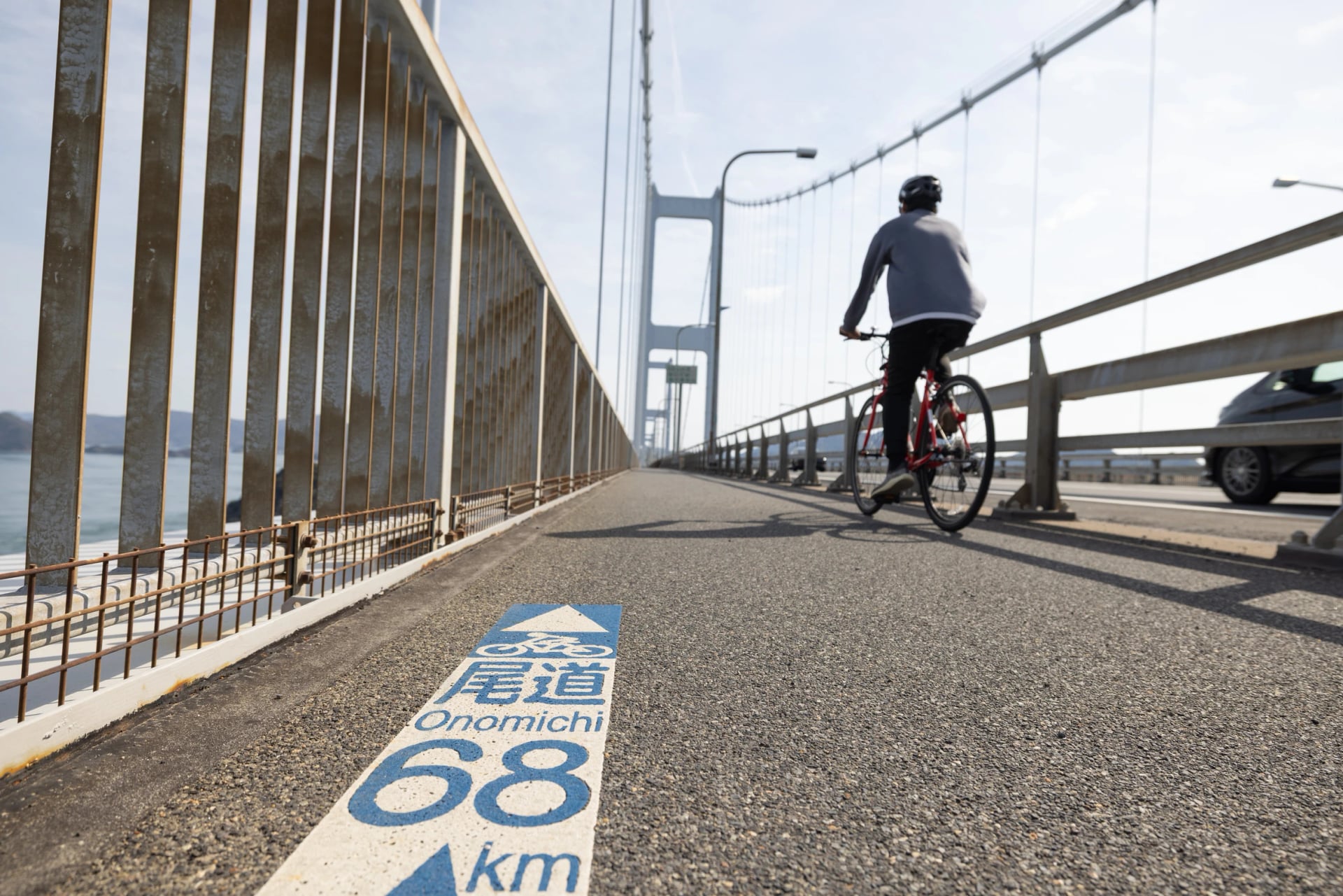
- 12 National Cycle Routes, marked with a blue line on the road
- Island routes on the Shimanami and Tobishima Kaido, and temple roads from Kyoto to Kōyasan
- Tours for most levels, from short island days to a 21 km mountain climb
- E-bikes on most tours, and nights in ryokan and a temple lodging
Bike Tours & Cycling Holidays in Japan
Kyoto to Kōyasan by river path and mountain road, or the Seto Inland Sea island by island: self-guided bike tours and cycling holidays in Japan.
Highlights
- 12 National Cycle Routes, marked with a blue line on the road
- Island routes on the Shimanami and Tobishima Kaido, and temple roads from Kyoto to Kōyasan
- Tours for most levels, from short island days to a 21 km mountain climb
- E-bikes on most tours, and nights in ryokan and a temple lodging



Plan with a cycling expert
Free advice from a team that knows these routes inside out - real people, not a bot
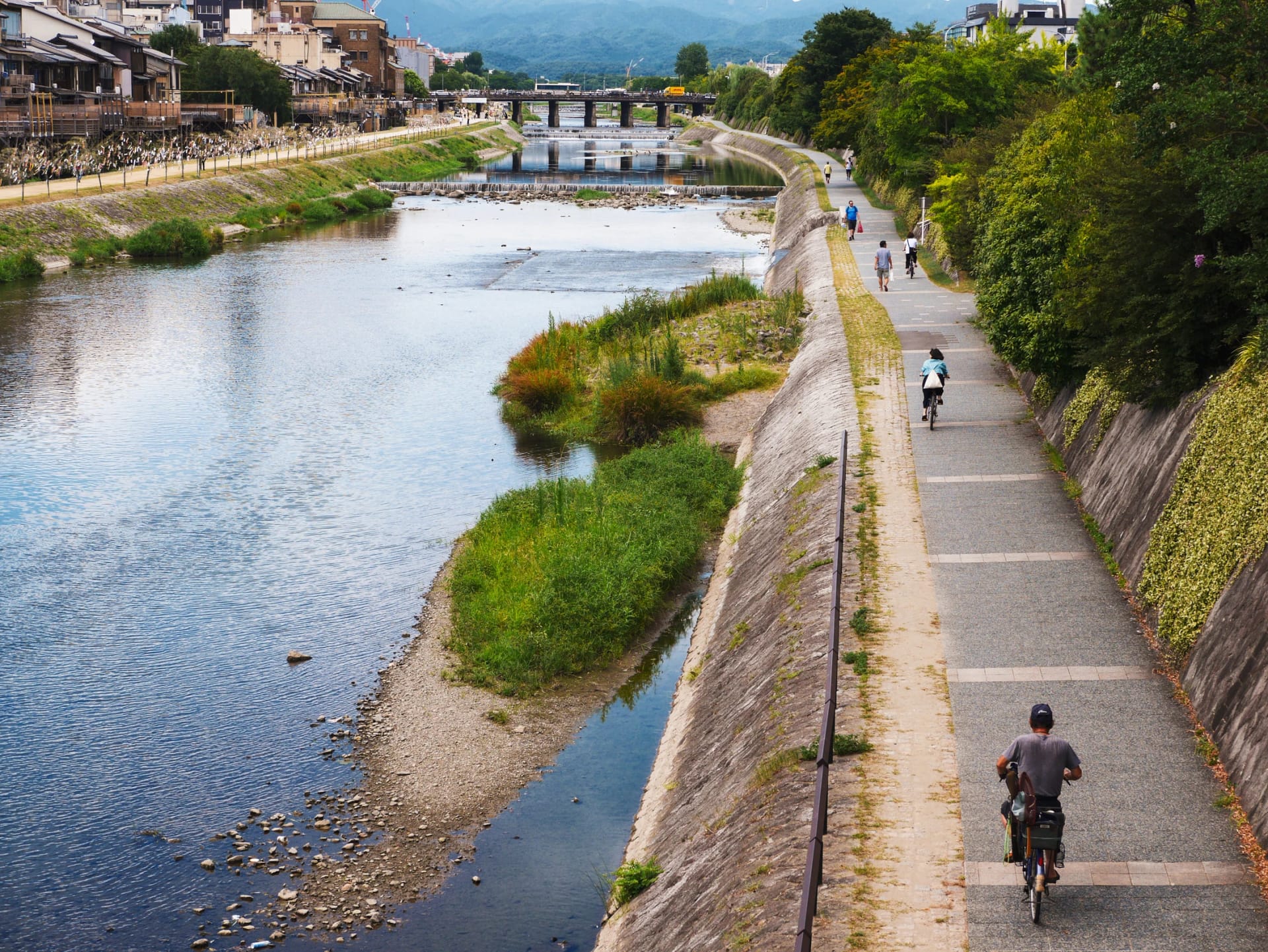
Cycling in Japan
Japan plans for the bicycle more than most visitors expect. Since 2019 the transport ministry has named National Cycle Routes, each marked with a blue line on the road and signed in English as well as Japanese, so the way is clear without reading a word of Japanese.
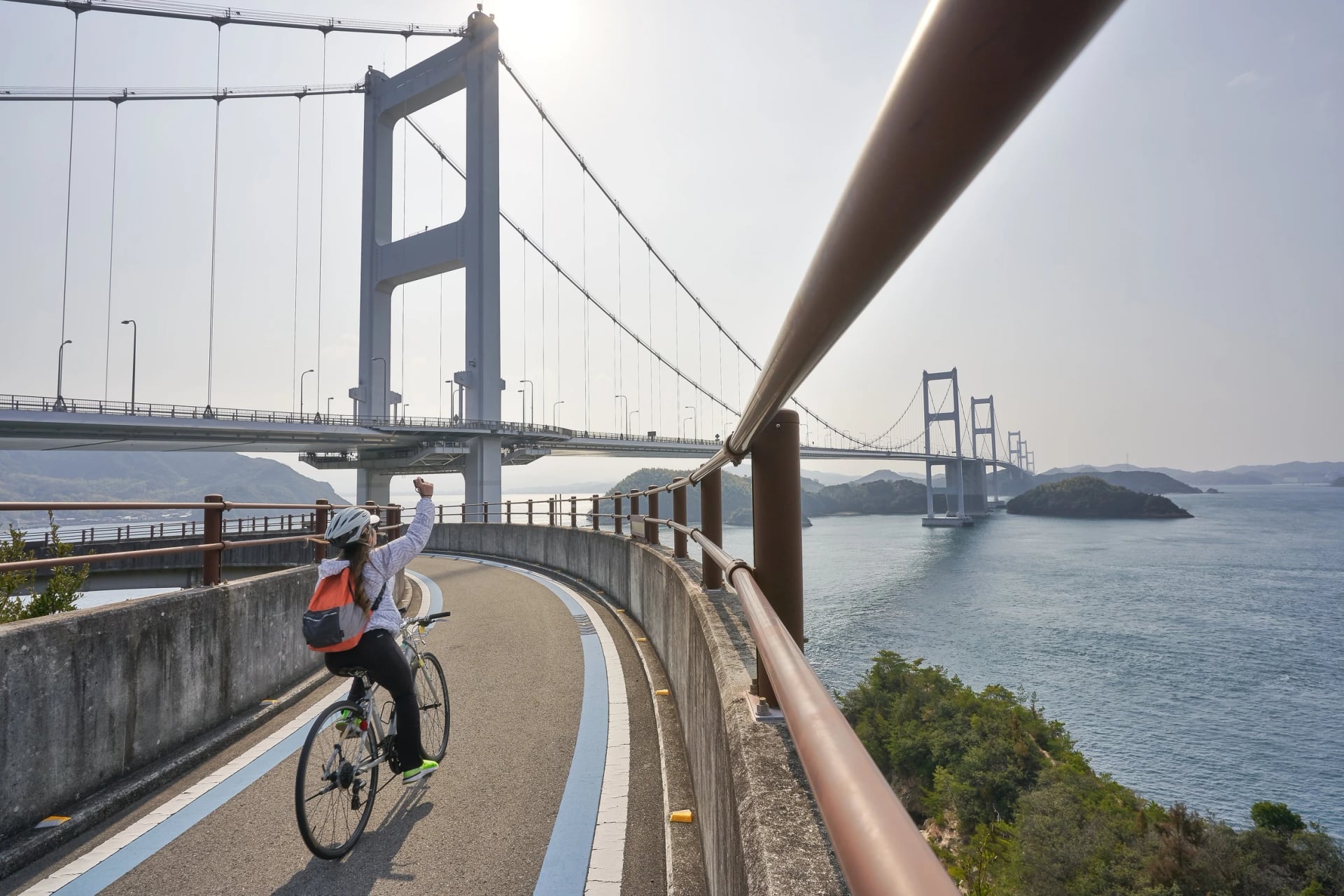
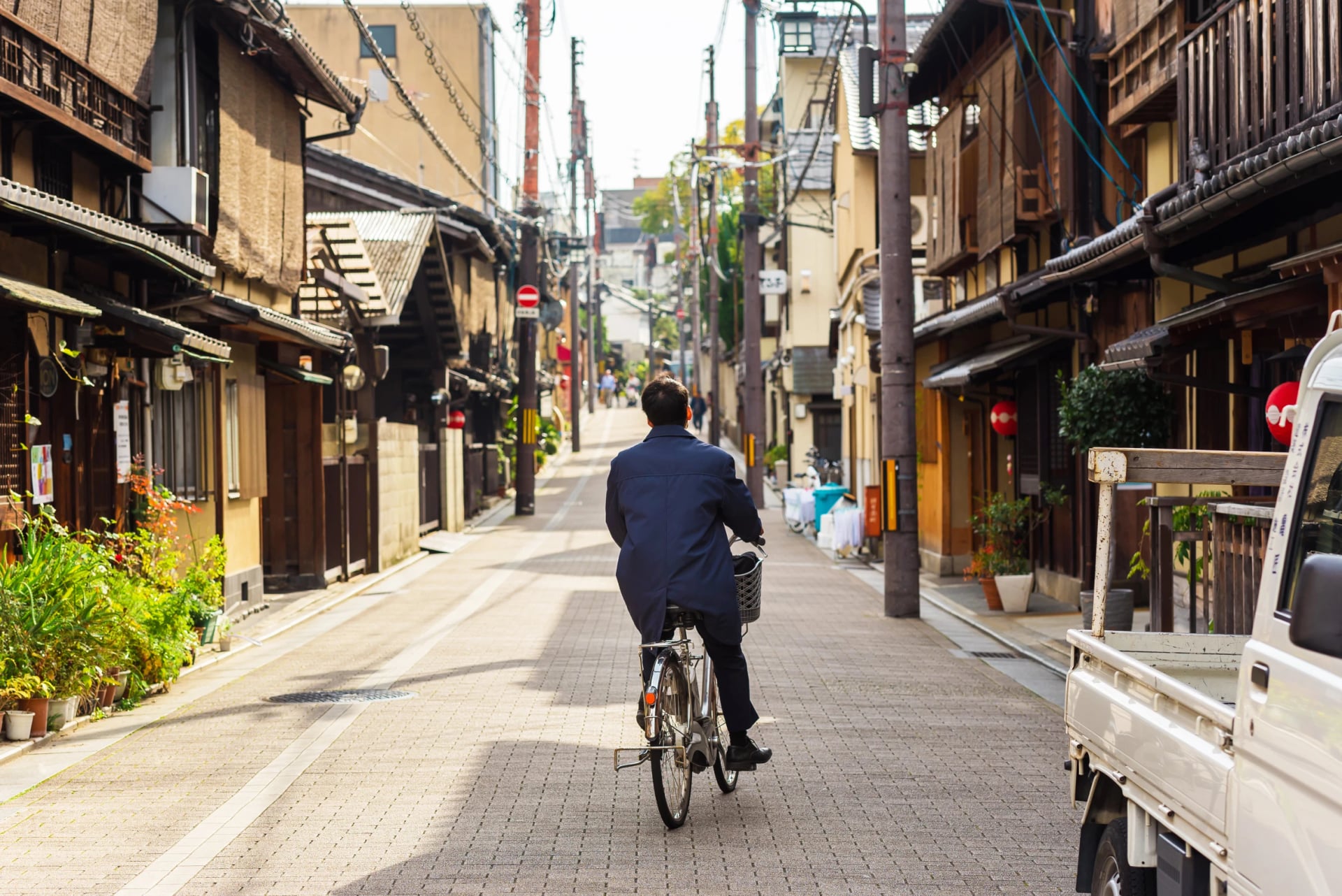
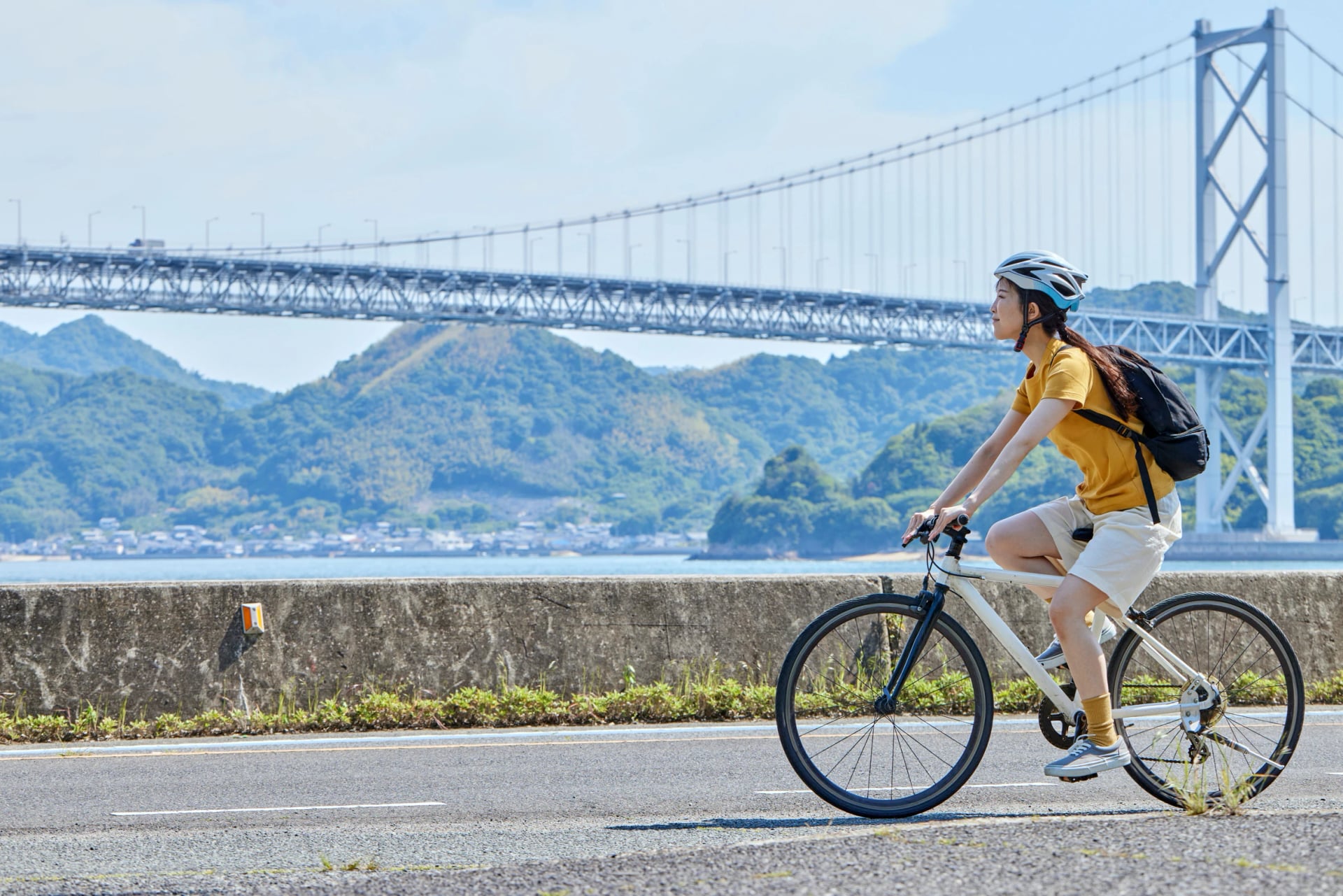
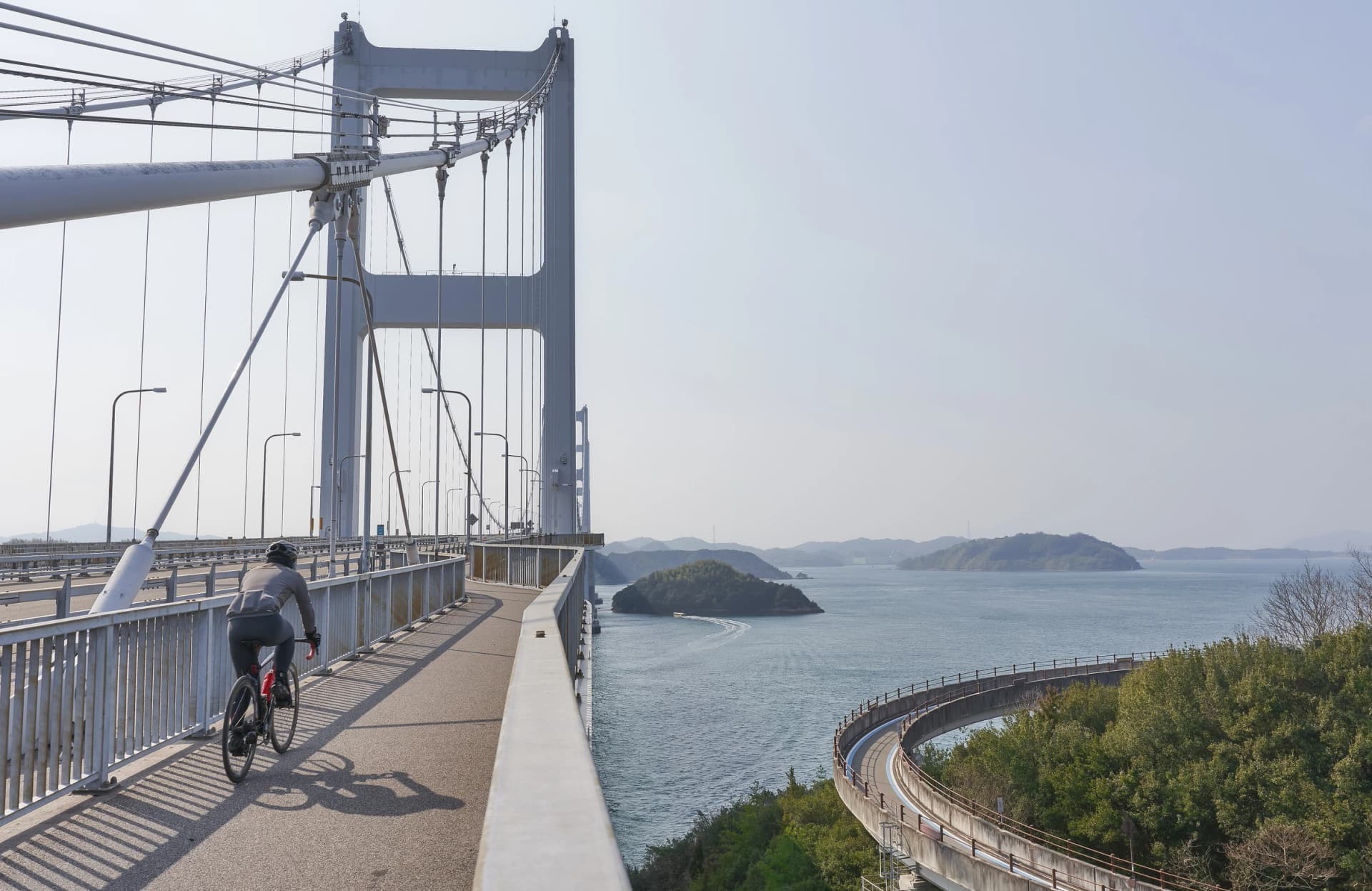
The choice is between sea and mountains. Cross the Seto Inland Sea on the Shimanami Kaido, where the bridges carry a path of their own for bikes, then go on to the quieter Tobishima Kaido or into Shikoku. Or ride from Kyoto through Nara and Yoshino to a temple lodging on Kōyasan, 800 m up, and down to the sea at Wakayama.
An e-bike is available on most of our tours, which turns the long climbs and the headwinds on the bridges into steady riding. Nights are in town hotels and ryokan, the family-run inns of the countryside.
Every tour we offer in Japan includes:
Detailed self-guided itinerary with route notes and daily stage information
GPS tracks and a navigation app loaded before you leave
All accommodations booked, with breakfast included
Daily luggage transfer between stays, one bag each
Bike or e-bike rental, with a helmet, ready at the start
Support from our team throughout your trip
You ride. We handle everything else.
Still have questions? Get in touch or book a free consultation with one of our cycling specialists.

Hassle-Free
We take care of route planning, accommodations, luggage transfers, and all logistics, so you can focus purely on enjoying your ride.

Tried & Tested Adventures
Our cycling routes are hand-picked & tested, to ensure breathtaking landscapes, smooth roads, and maximum safety - giving you the perfect ride every day.

Unbeatable Support
Our 24/7 customer support is where we show our passion, ensuring your cycling holiday runs smoothly and your well-being is always our top priority.

Book with Confidence
We are a financially protected company, fully bonded and insured, keeping your money safe and allowing you to travel with confidence.

Local Experts
Our professional cycling guides in select locations know the local terrain and are trained to make this once-in-a-lifetime opportunity both safe and enjoyable.
What Changes When You Ride in Japan
The best riding comes in spring and autumn:
Late March to May: cherry blossom reaches Kyoto around 4 April
June to mid-July: tsuyu, the rainy season, in Kyoto and on the Inland Sea
August and September: hot, and typhoons are most likely
October and November: clear days, with the maples at their best in Kyoto late in November
Each morning, check the day's forecast and any weather warning in English on JNTO's Safety tips, the tourism board's free site and app.
Three kinds of rider get the most from Japan, and each wants a country to discover as much as a route:
First-time touring cyclists: the Shimanami Kaido has short days and a bike path over every bridge
Riders who like a climb: the road from Kyoto rises 21 km to Kōyasan
Culture-first riders: temples, old ports and inns fill the day as much as the riding does
The Japanese classics, curated by our team:
Shimanami Kaido: 70 km over six island bridges, Onomichi to Imabari
Tobishima Kaido: seven bridges further west, with far fewer riders
Shikoku: the Iyo-nada shore west of Matsuyama, a coast road named for its sunsets
Kyoto to Kōyasan: shrines, tea towns and the cedar forest of the Kii mountains
Since 1 April 2026 the police can fine a cyclist on the spot, so the rules matter:
Keep left, in single file: riding two abreast costs ¥3,000
Turn right in two stages: cross to the far corner, then go with the next green
Lights on after dark and before every tunnel
No phone in your hand: the fine is ¥12,000
Between towns, a konbini at the edge of most villages has food, water and a clean toilet.
Each region has a dish worth riding for:
Onomichi ramen: soy broth from chicken and Inland Sea fish, crowned with cubes of pork fat
Imabari yakitori: chicken pressed flat on a hot iron griddle, no skewer in sight
Setoda lemons: grown on the island slopes without spraying, eaten peel and all
Kōyasan's temple food: sesame tofu and the vegan meal the monks have served for twelve centuries
How you reach the start depends on the route:
Temple roads: fly to Kansai airport, near Osaka, and take the Haruka express straight to Kyoto
Island routes: take the shinkansen to Fukuyama, then a local train of about 20 minutes to Onomichi
Your bags: Hands-Free Travel counters at the airports send a case ahead to your first hotel
A private transfer: let us know, and we arrange one from the airport or station