Winter sun, year-round riding and a volcano that tops out at 3,718 m: self-guided bike tours on the island where the world's best cyclists come to train.
Highlights
- The Santa Cruz to Teide route at 62.5 km is the longest road bike climb in Europe — gaining 2,827 m from sea level
- Year-round cycling with an average temperature of 23°C (73°F)
- See Mount Teide at 3,718 m - the highest point in Spain
- One of the most demanding and rewarding island cycling destinations in the world
Bike Tours & Cycling Holidays in Tenerife
Winter sun, year-round riding and a volcano that tops out at 3,718 m: self-guided bike tours on the island where the world's best cyclists come to train.
Highlights
- The Santa Cruz to Teide route at 62.5 km is the longest road bike climb in Europe — gaining 2,827 m from sea level
- Year-round cycling with an average temperature of 23°C (73°F)
- See Mount Teide at 3,718 m - the highest point in Spain
- One of the most demanding and rewarding island cycling destinations in the world


Plan with a cycling expert
Free advice from a team that knows these routes inside out - real people, not a bot
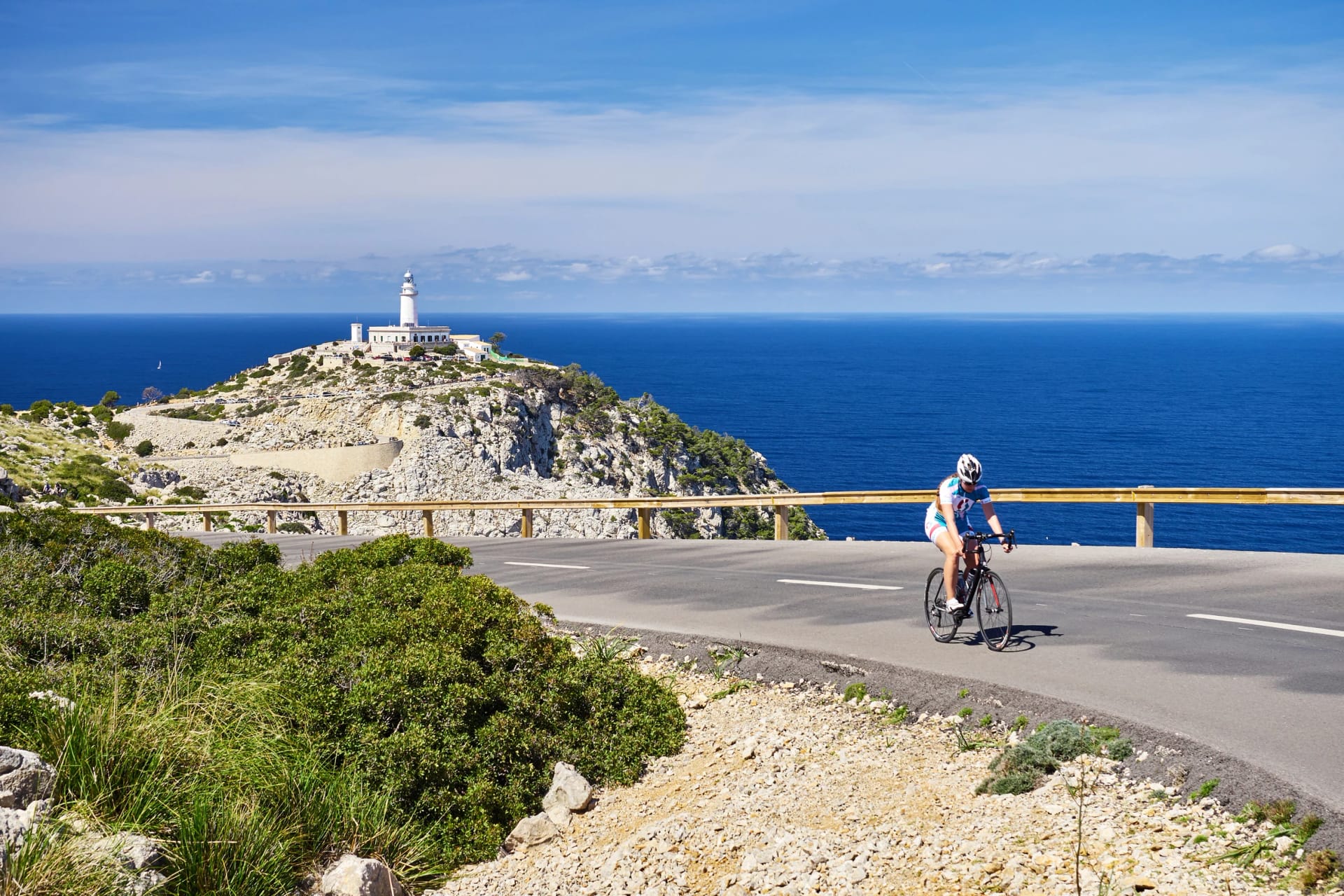
Cycling in Tenerife
Tenerife's appeal is simple and well-known — Mount Teide, year-round sunshine and the kind of climbing that explains why every major WorldTour team arrives here in winter. What takes longer to learn is the island itself.
We know Teide from every approach. We know that the Los Cristianos approach suits most riders better for a first ascent, and that the Masca valley descent on the west side is one of the finest roads on the island. We know which altitude stops let you recover properly, which café in Chío has the jerseys of Alaphilippe and Van Aert on the wall, and why the right base for a Tenerife cycling week is never down in the beach resorts.
That granular, ride-specific knowledge is what shapes our itineraries — and what separates a properly planned Tenerife week from one that looks good on paper but undersells the island in practice.
Every tour we plan for you includes:
Detailed self-guided itinerary with route notes and daily stage information
GPS tracks and a navigation app loaded before you leave
All accommodations booked, with breakfast included
Daily luggage transfer between hotels
Bike rental delivered straight to your first hotel
24/7 support from our team throughout your trip
You ride. We handle everything else.
Still have questions? Get in touch or book a free consultation with one of our cycling specialists.

Hassle-Free
We take care of route planning, accommodations, luggage transfers, and all logistics, so you can focus purely on enjoying your ride.

Tried & Tested Adventures
Our cycling routes are hand-picked & tested, to ensure breathtaking landscapes, smooth roads, and maximum safety - giving you the perfect ride every day.

Unbeatable Support
Our 24/7 customer support is where we show our passion, ensuring your cycling holiday runs smoothly and your well-being is always our top priority.

Book with Confidence
We are a financially protected company, fully bonded and insured, keeping your money safe and allowing you to travel with confidence.

Local Experts
Our professional cycling guides in select locations know the local terrain and are trained to make this once-in-a-lifetime opportunity both safe and enjoyable.
The Island That Waits for No Season
Tenerife's greatest advantage is that there is no bad month. The island averages 23°C (73°F) at coastal level year-round with minimal rainfall in the south.
October–May — the prime window for most cyclists. Comfortable climbing temperatures of 18–24°C (64–75°F) and the island at its busiest with pro teams on winter camps
June–September — quieter and hotter at low altitude (25–30°C / 77–86°F) but perfectly manageable with early starts. The mountain stays cool above 1,500 m throughout summer
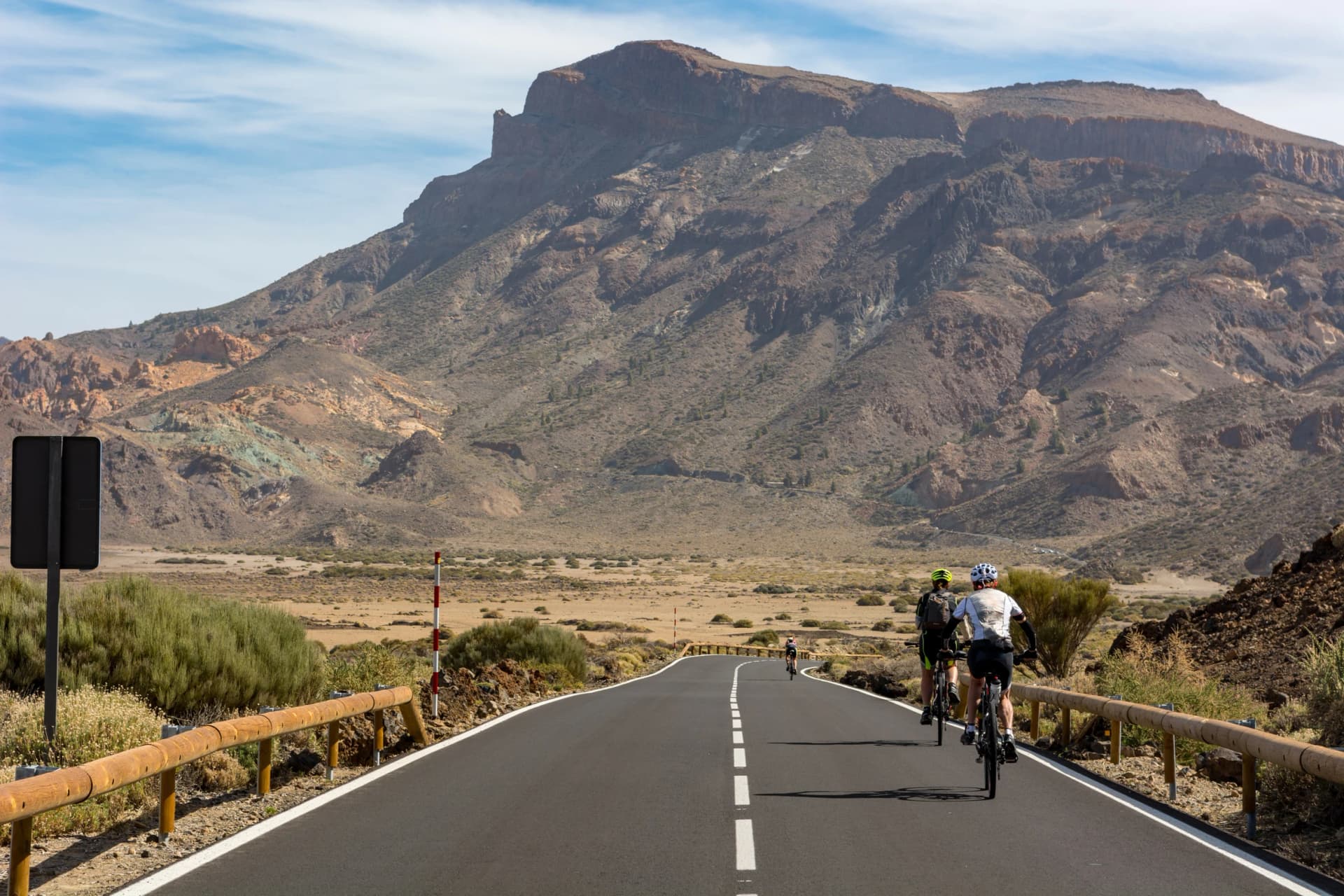
Everything on Tenerife points towards Teide. At 3,718 m it is the highest point in Spain and the highest peak of all Atlantic islands — and it can be approached by six different roads from the coast, each with its own character.
The Los Cristianos route (33 km, 2,100 m climbing) is the most popular first ascent. The Santa Cruz route at 62.5 km is the longest road climb in Europe.
Most riders attempt at least two different approaches during a week's stay which is why we have gathered in one tour for you- The Road Climbing Challenge.
Three distinct tours for three types of rider:
Road Cycling Tour — island exploration combining coastal roads, mountain villages and a Teide ascent at a measured pace
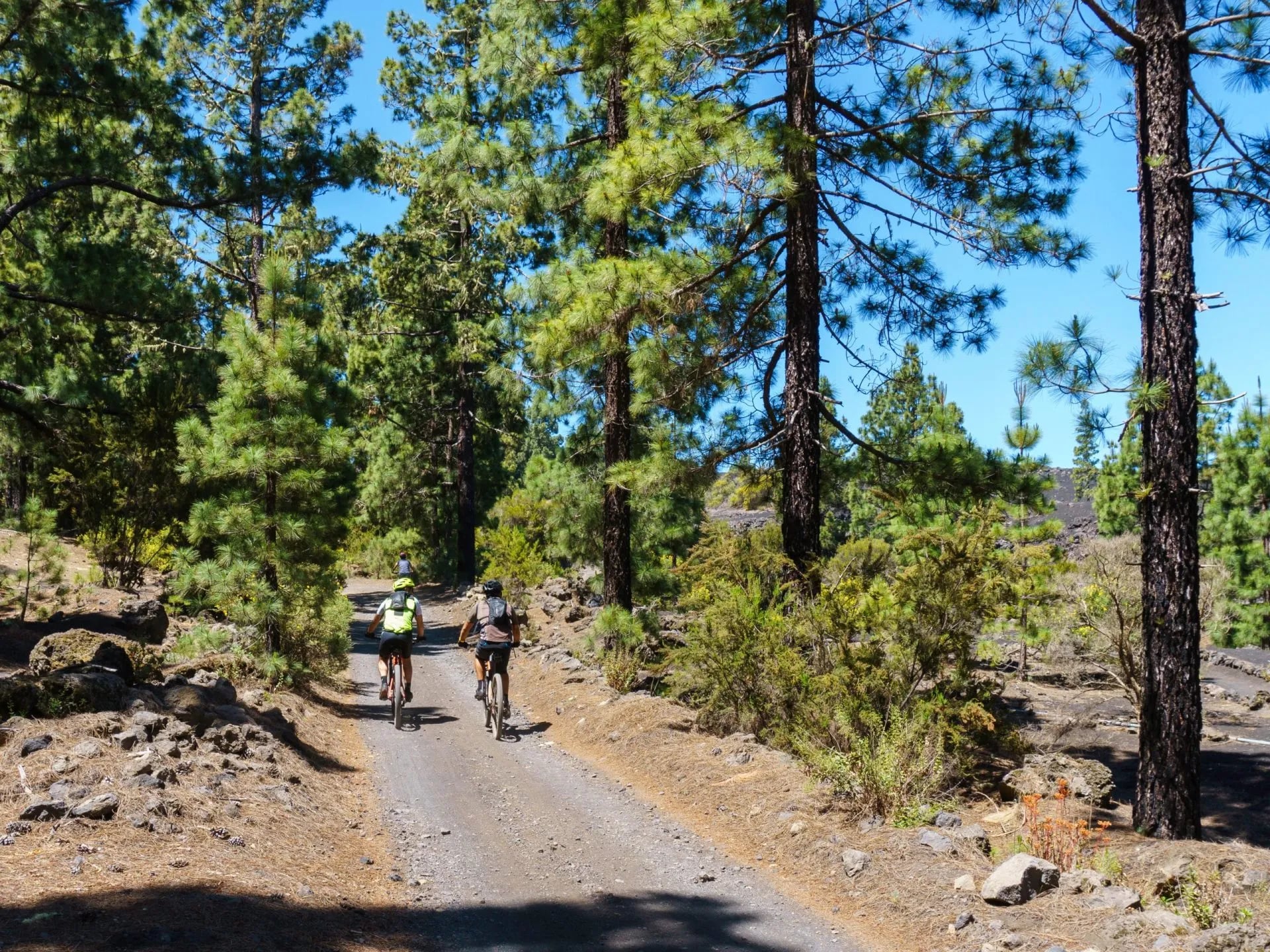
MTB Tour — volcanic trails, forest tracks and lava field roads through Teide National Park
Road Climbing Challenge — built around multiple Teide ascents and Tenerife's most demanding roads. For experienced climbers only
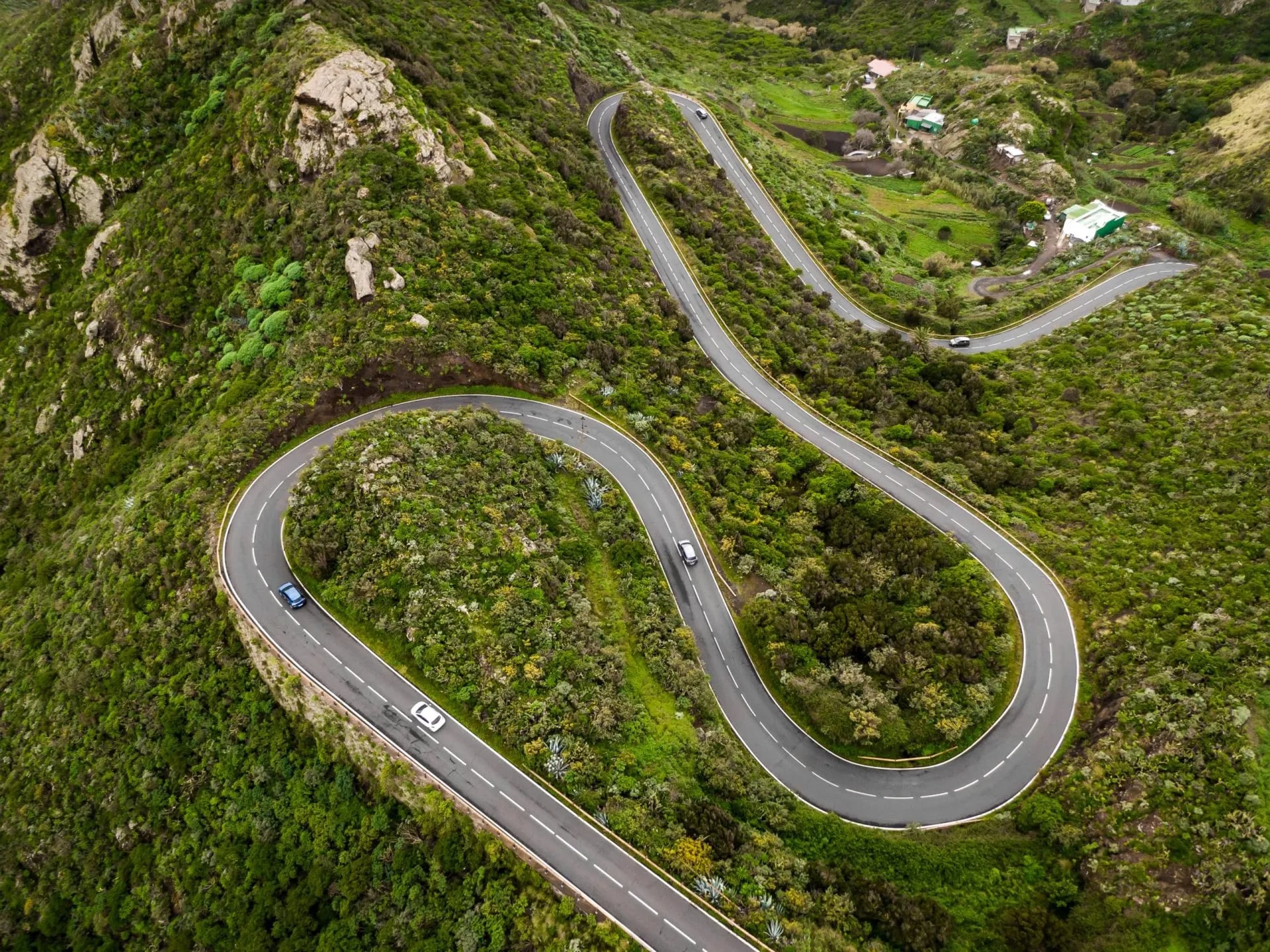
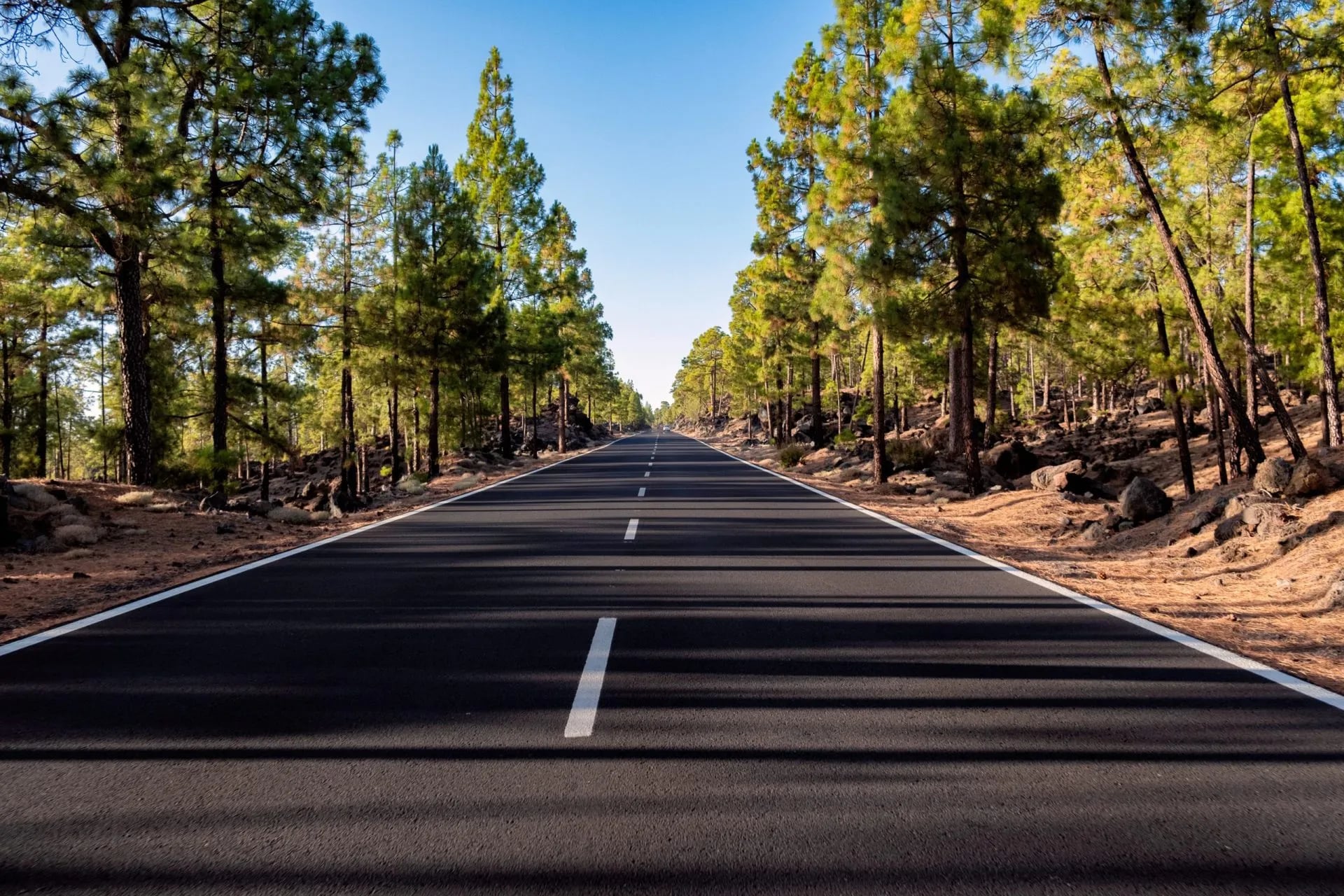
Tenerife is a climbing island — virtually every road goes up or down, and flat routes are scarce and uninspiring. The main climbing roads are well-surfaced and carry relatively light traffic outside the resort areas in the south.
Altitude deserves respect above 2,000 m — temperatures drop quickly, weather can change and the thin air adds difficulty beyond gradient. Pack a warm layer regardless of conditions at the coast.
Spain uses the euro and English is widely spoken throughout the island.
Tenerife is the premier altitude training destination in Europe — and has been for decades. Froome, Van Aert, Evenepoel and Roglič are among the names who train on these roads every winter.
The Parador hotel at 2,100 m sits at the base of the final Teide approach and serves as the altitude base for multiple WorldTour squads.
For amateur cyclists the appeal is identical — the same roads, the same altitude benefit and the same volcanic lunar landscape at the summit that no other cycling destination in Europe can replicate.
Tenerife pairs naturally with Mallorca as a two-island winter cycling trip — both rideable November through March, both attracting the pro peloton, but offering completely different terrain.
Mallorca delivers the Serra de Tramuntana and coastal roads; Tenerife delivers altitude and volcanic climbing.
For riders wanting to extend onto the Spanish mainland, direct flights connect Tenerife South to Madrid, Barcelona and beyond in under two hours.