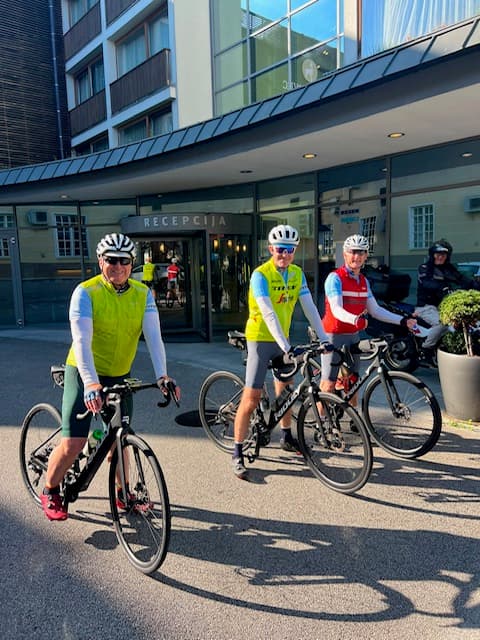
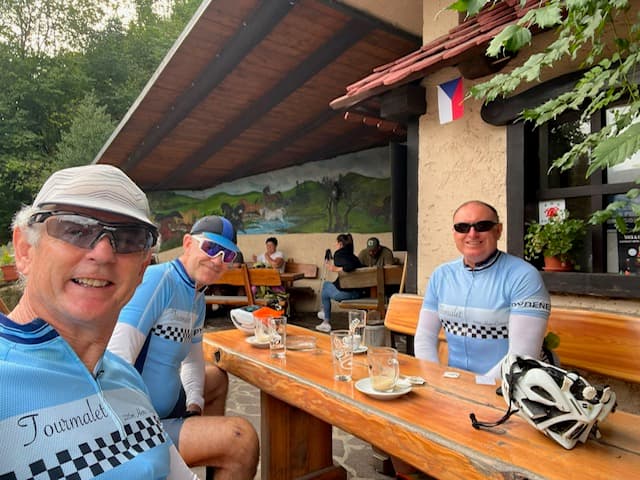
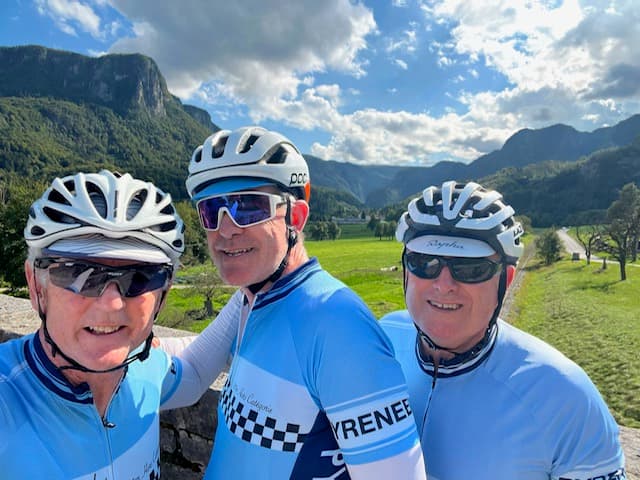
The most versatile bike in our range — gravel cycling holidays across 20+ European destinations on roads, trails and passes road bikes can't reach.
Highlights
- Equally at home on tarmac, gravel tracks and converted rail trails
- Works across every destination in our portfolio
- The fastest growing cycling discipline in Europe and the bike our experts recommend for most multi-day tours
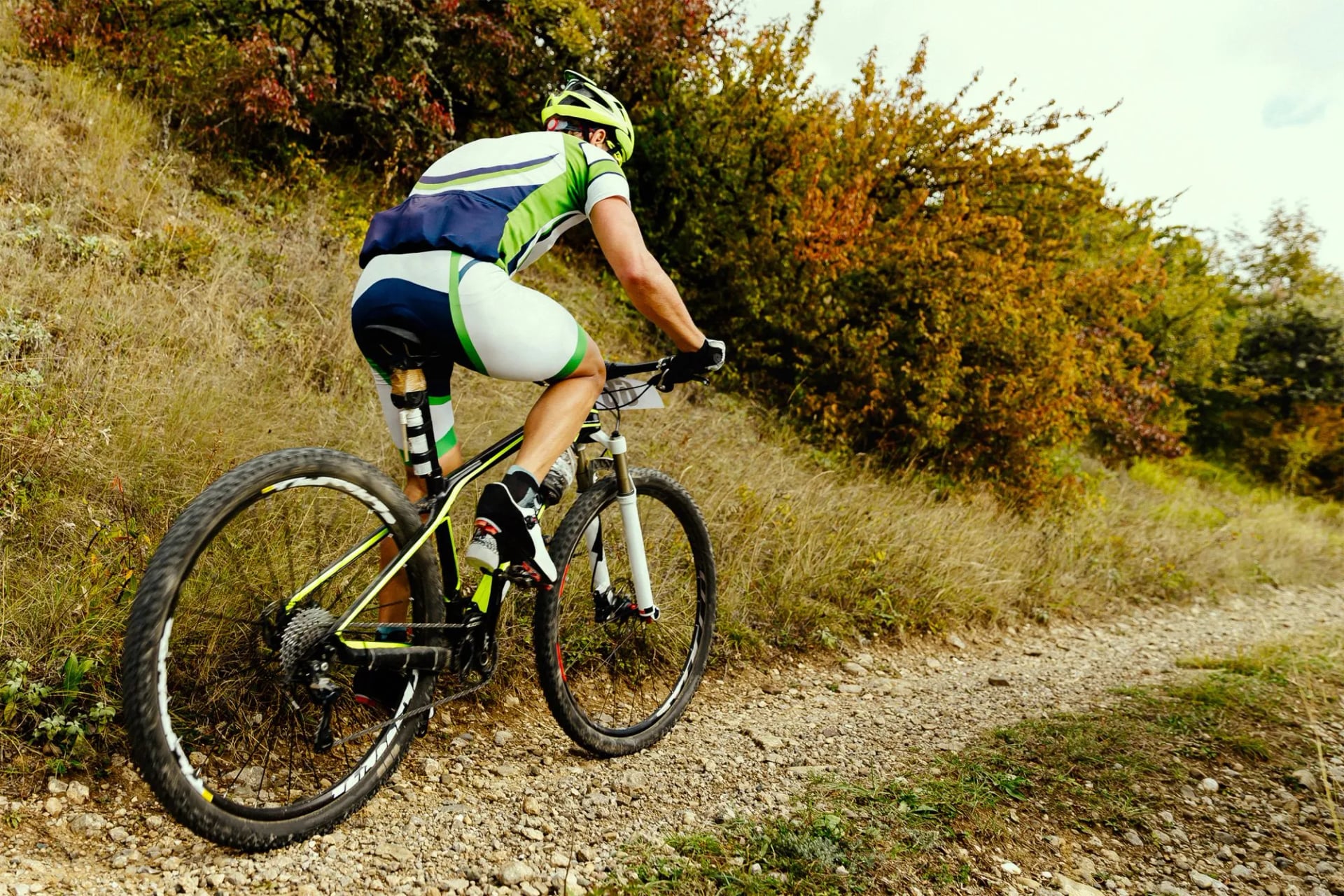
- Wider tyres, more comfort, more terrain — gravel bikes handle the road surfaces that stop road bikes in their tracks
Gravel Bike Tours & Cycling Holidays
The most versatile bike in our range — gravel cycling holidays across 20+ European destinations on roads, trails and passes road bikes can't reach.
Highlights
- Equally at home on tarmac, gravel tracks and converted rail trails
- Works across every destination in our portfolio
- The fastest growing cycling discipline in Europe and the bike our experts recommend for most multi-day tours
- Wider tyres, more comfort, more terrain — gravel bikes handle the road surfaces that stop road bikes in their tracks



Plan with a cycling expert
Free advice from a team that knows these routes inside out - real people, not a bot

Why Choose a Gravel Bike for Your Cycling Holiday?
A gravel bike sits between a road bike and a mountain bike — and that middle ground is exactly where most of Europe's best cycling actually happens.
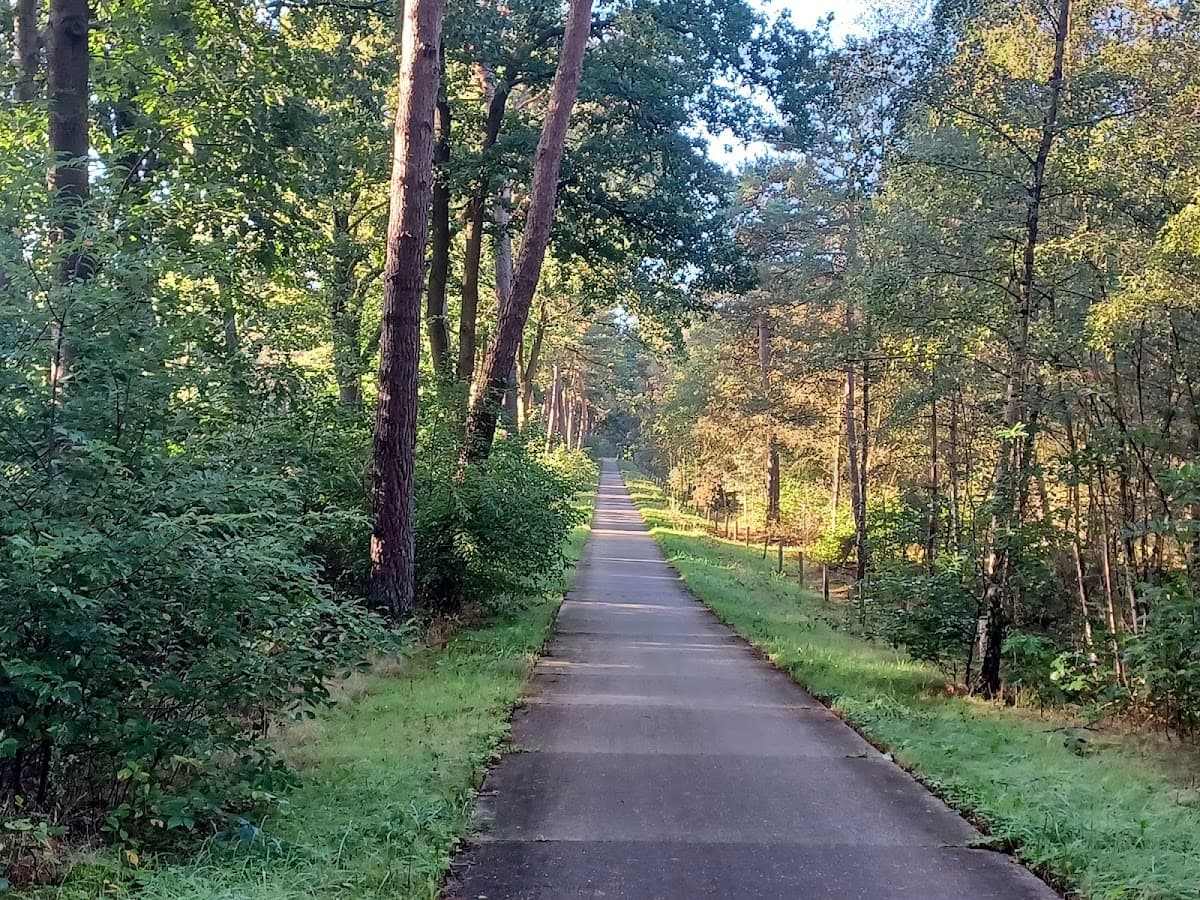
The roads that lead through Tuscany's wine estates, the converted railway lines of Portugal, the forest tracks above the Soča Valley, the mountain passes of Romania — these are surfaces that a road bike struggles on and a mountain bike is overkill for. A gravel bike handles all of them, and the tarmac sections in between, without compromise.
This is why it's the most popular bike choice across our portfolio. It's not the perfect tool for every job — a road bike is faster on pure tarmac, a MTB is better on technical singletrack. But for multi-day touring across varied European terrain, nothing comes close to the versatility of a gravel bike.
Gravel bikes are available across our full portfolio of 20+ destinations. Our pre-departure notes specify the exact tyre width and setup we recommend for each tour's terrain — because the right gravel bike for the Cairngorms is not the same as the right one for the Algarve coast.
Still unsure? See other tours suitable for different bikes. Or contact our team of professionals.

Hassle-Free
We take care of route planning, accommodations, luggage transfers, and all logistics, so you can focus purely on enjoying your ride.

Tried & Tested Adventures
Our cycling routes are hand-picked & tested, to ensure breathtaking landscapes, smooth roads, and maximum safety - giving you the perfect ride every day.

Unbeatable Support
Our 24/7 customer support is where we show our passion, ensuring your cycling holiday runs smoothly and your well-being is always our top priority.

Book with Confidence
We are a financially protected company, fully bonded and insured, keeping your money safe and allowing you to travel with confidence.

Local Experts
Our professional cycling guides in select locations know the local terrain and are trained to make this once-in-a-lifetime opportunity both safe and enjoyable.
Where gravel bikes shine
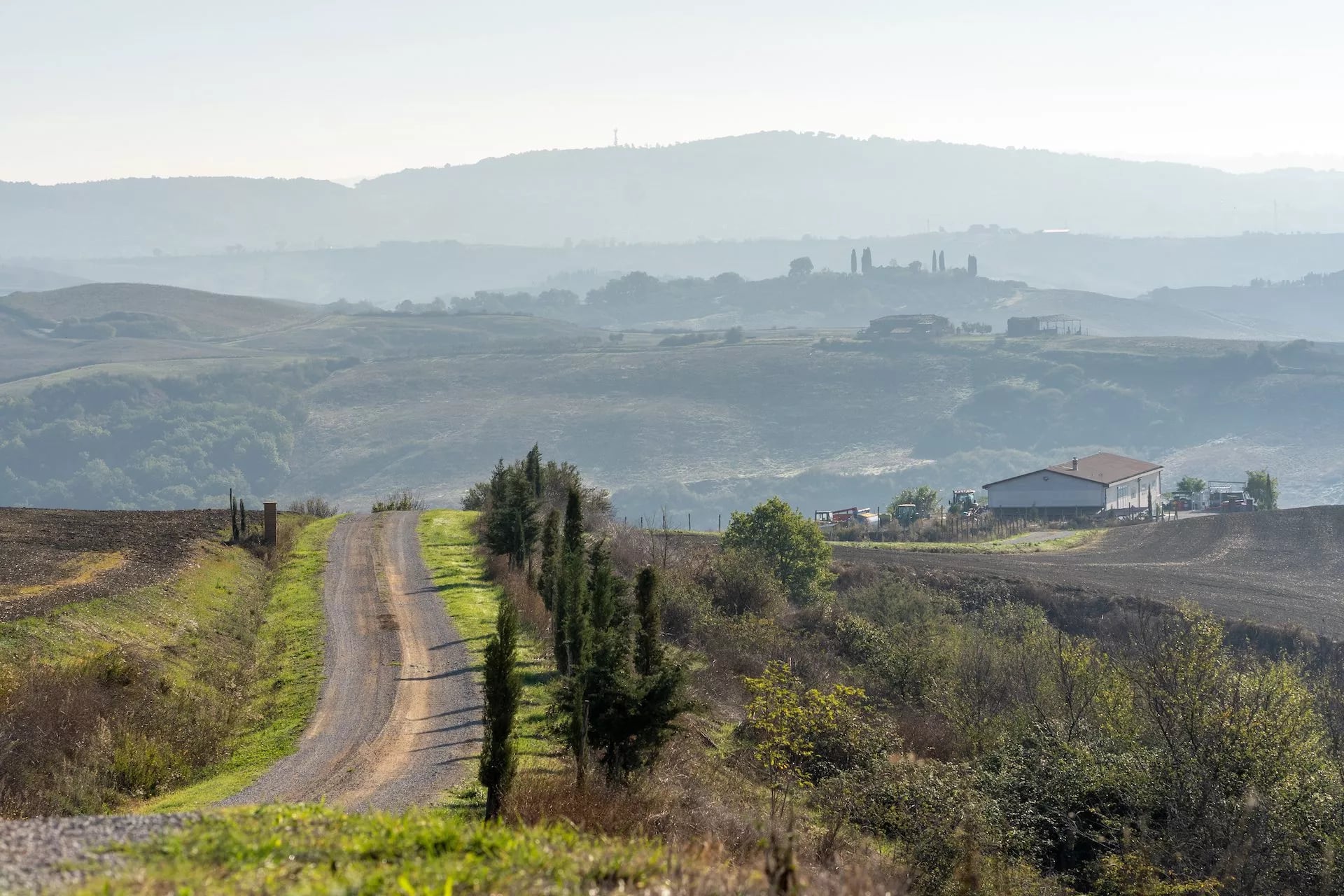
Italy — the strade bianche are the reason gravel cycling exists as a discipline. White gravel roads through cypress-lined hills, best ridden on exactly this bike
Romania — Carpathian forest roads and Transylvanian village lanes that reward wider tyres entirely
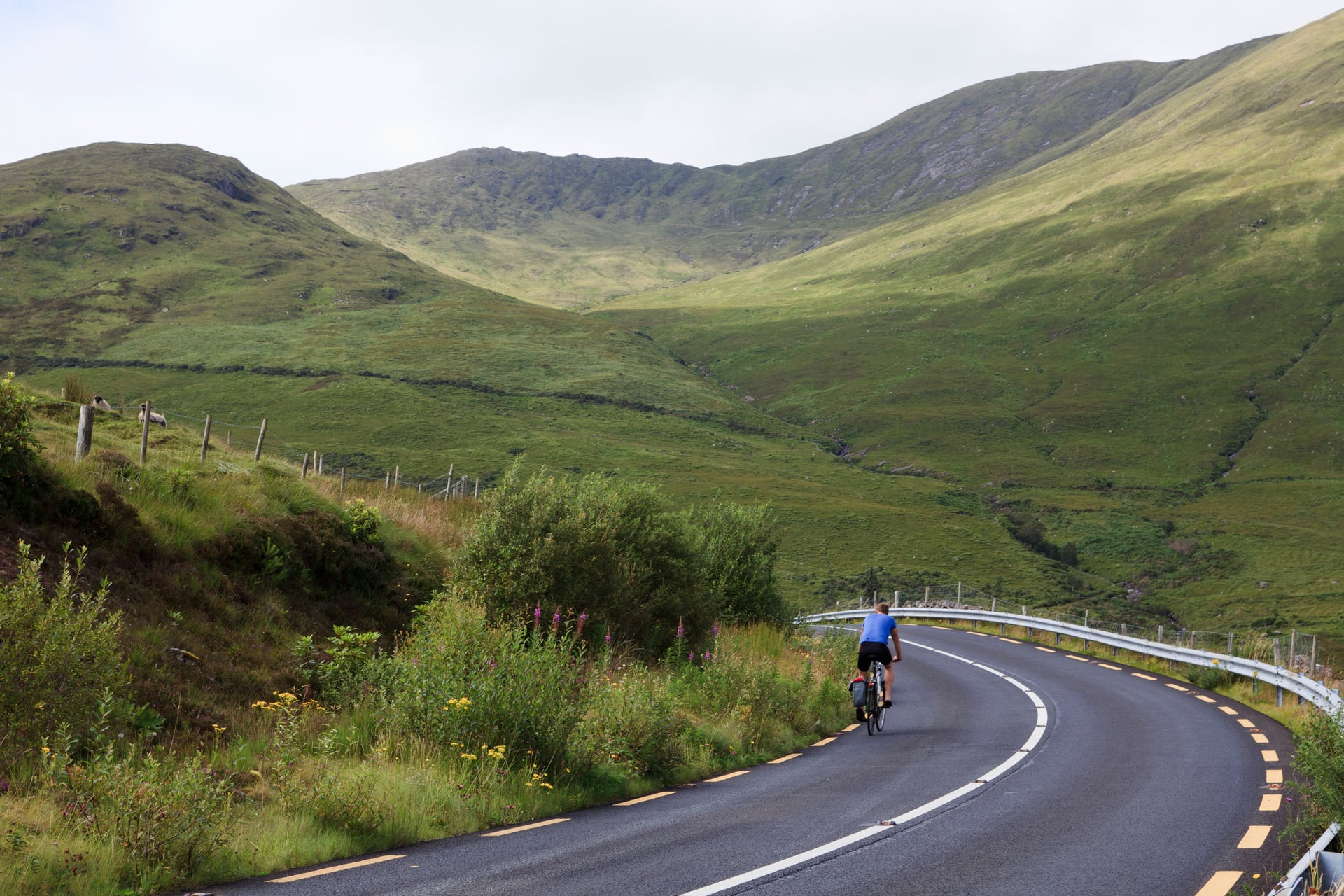
Scotland — the Cairngorms and Highland gravel tracks are built for this
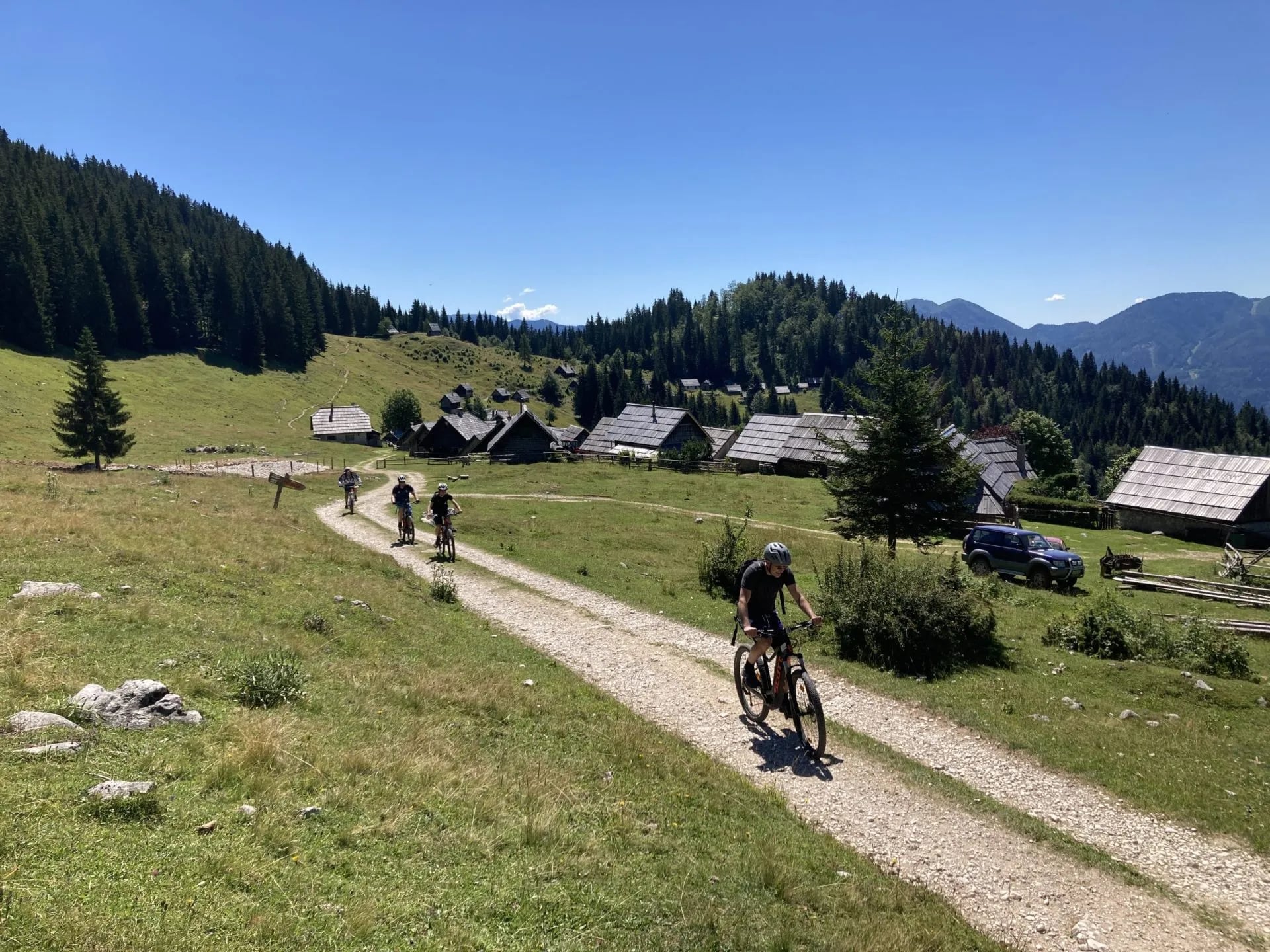
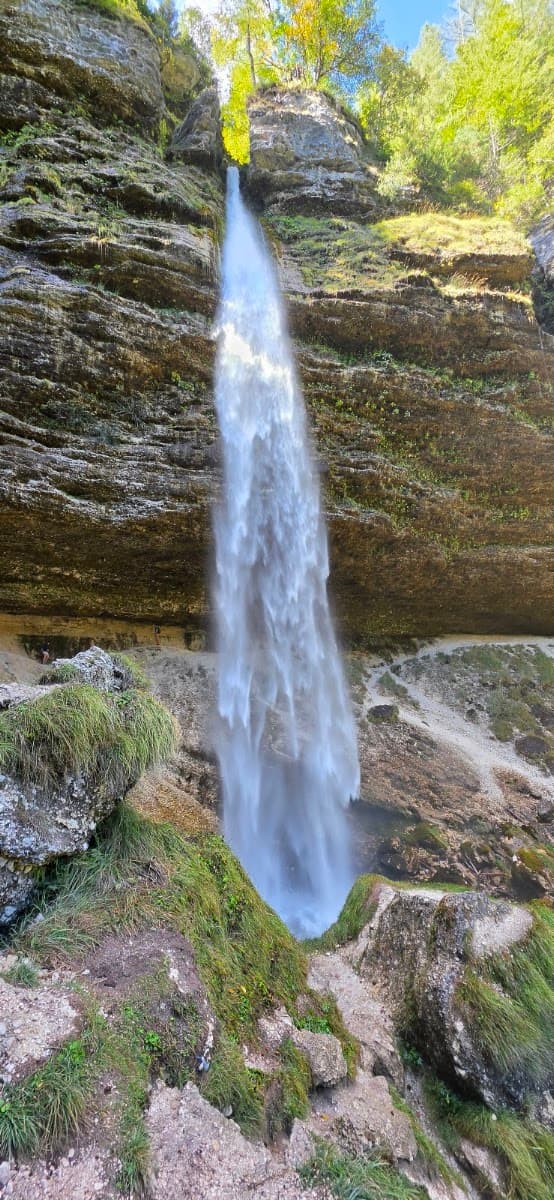
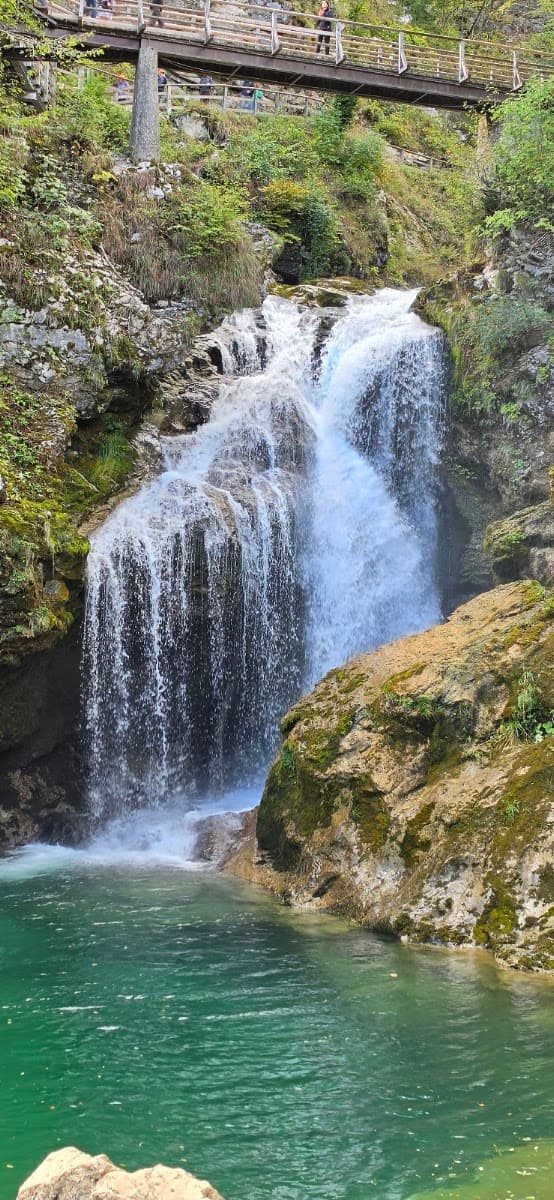
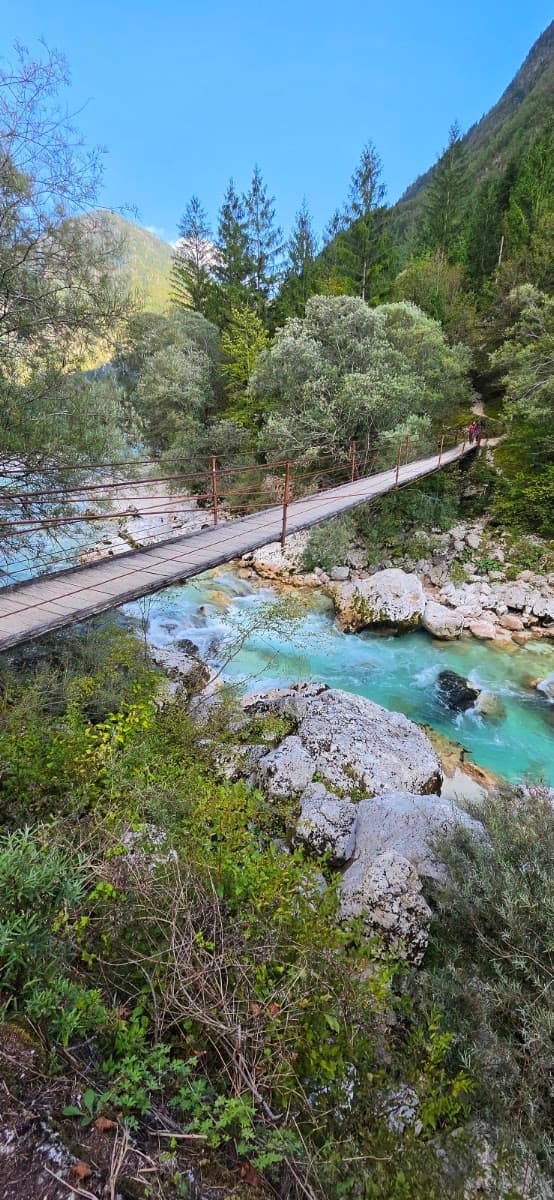
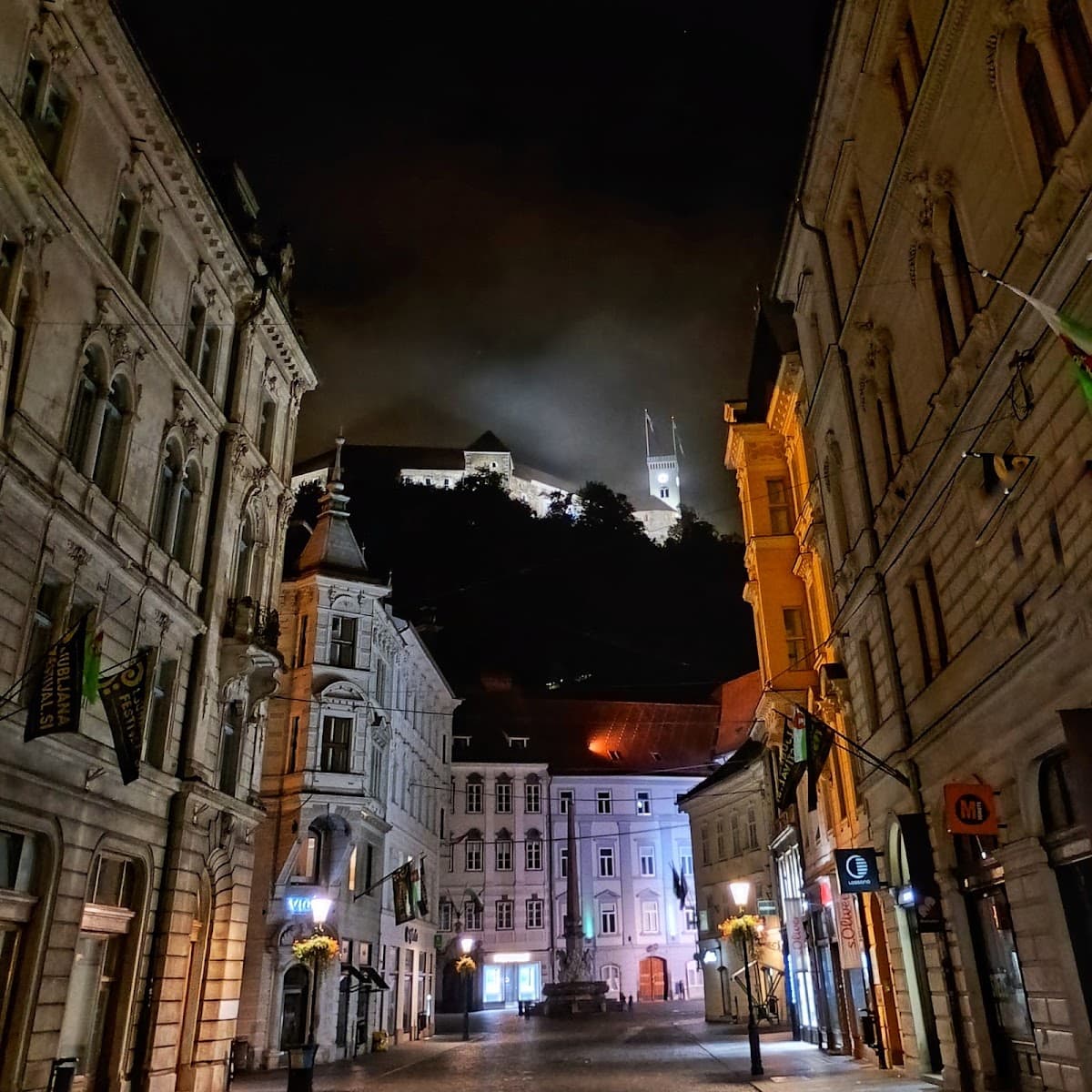
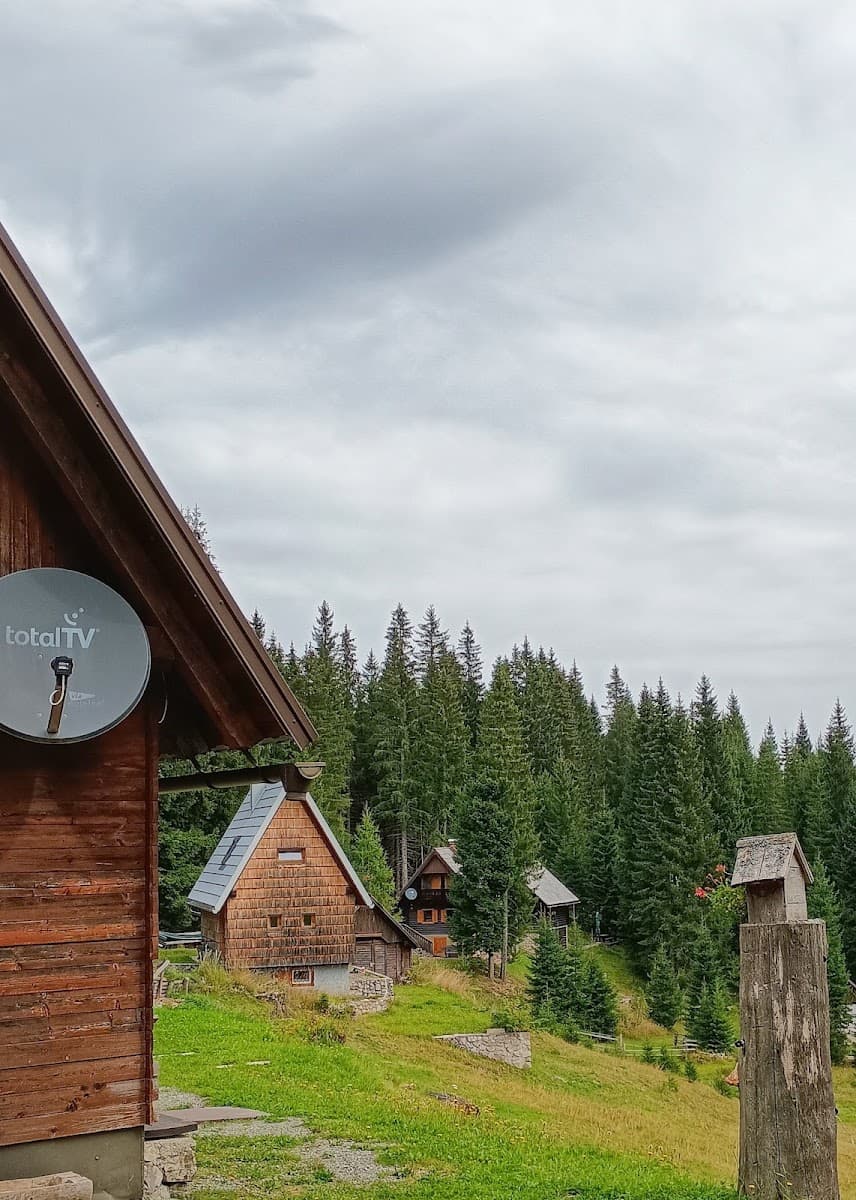
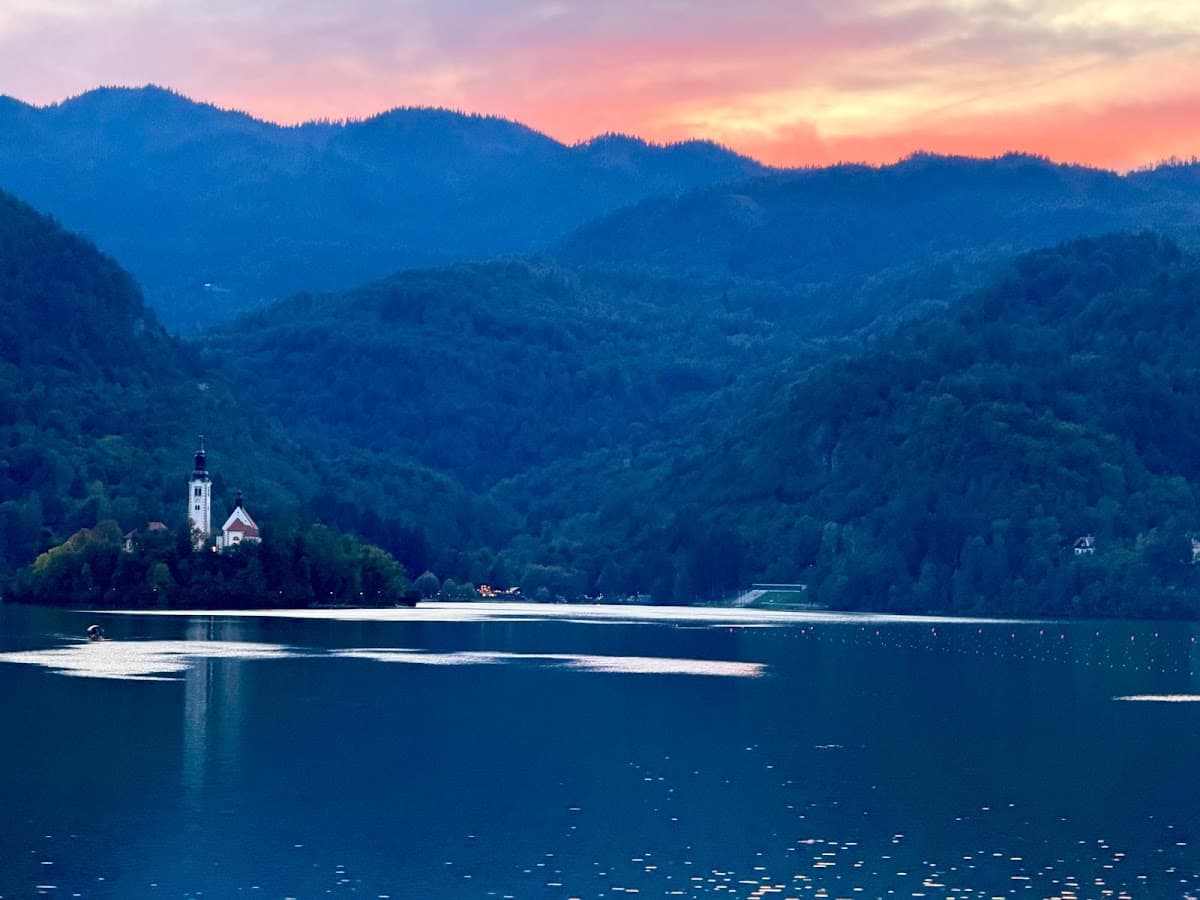
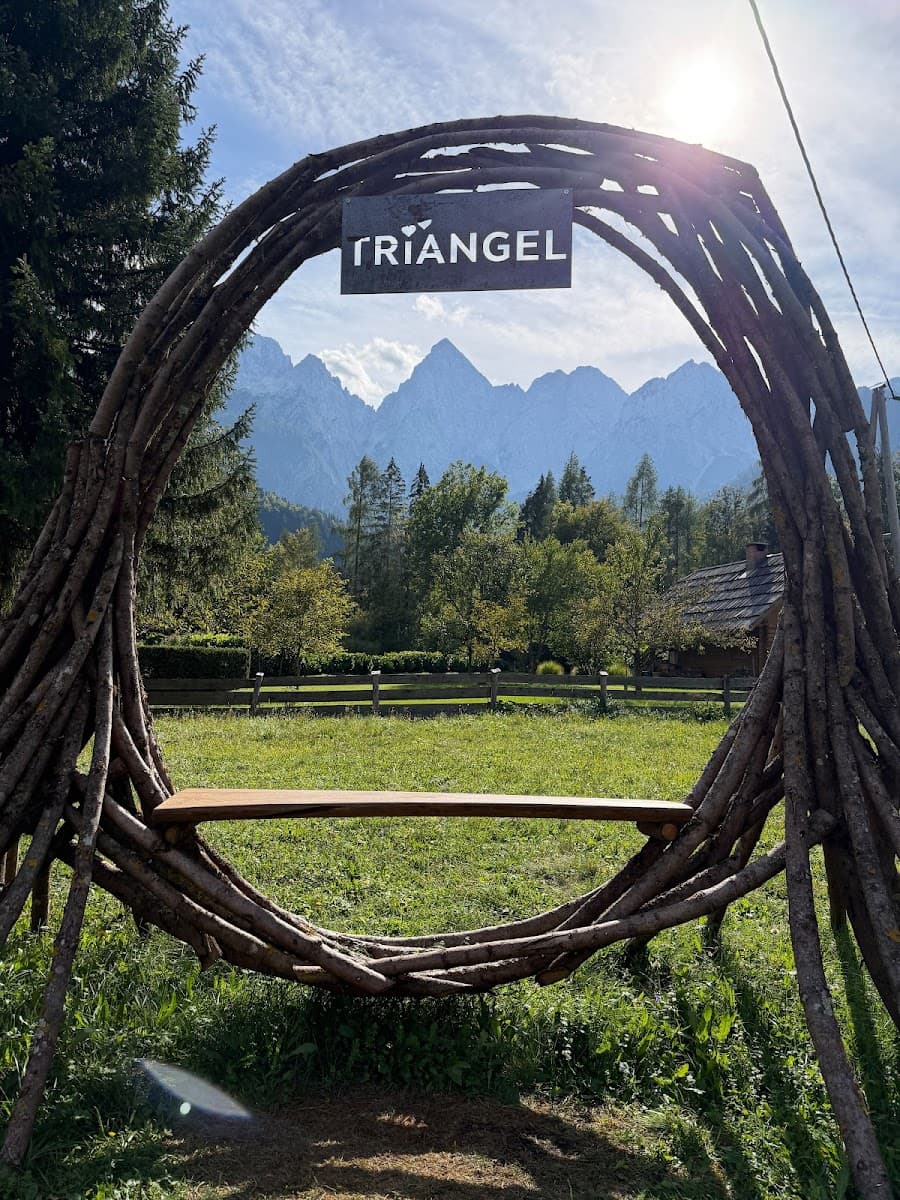
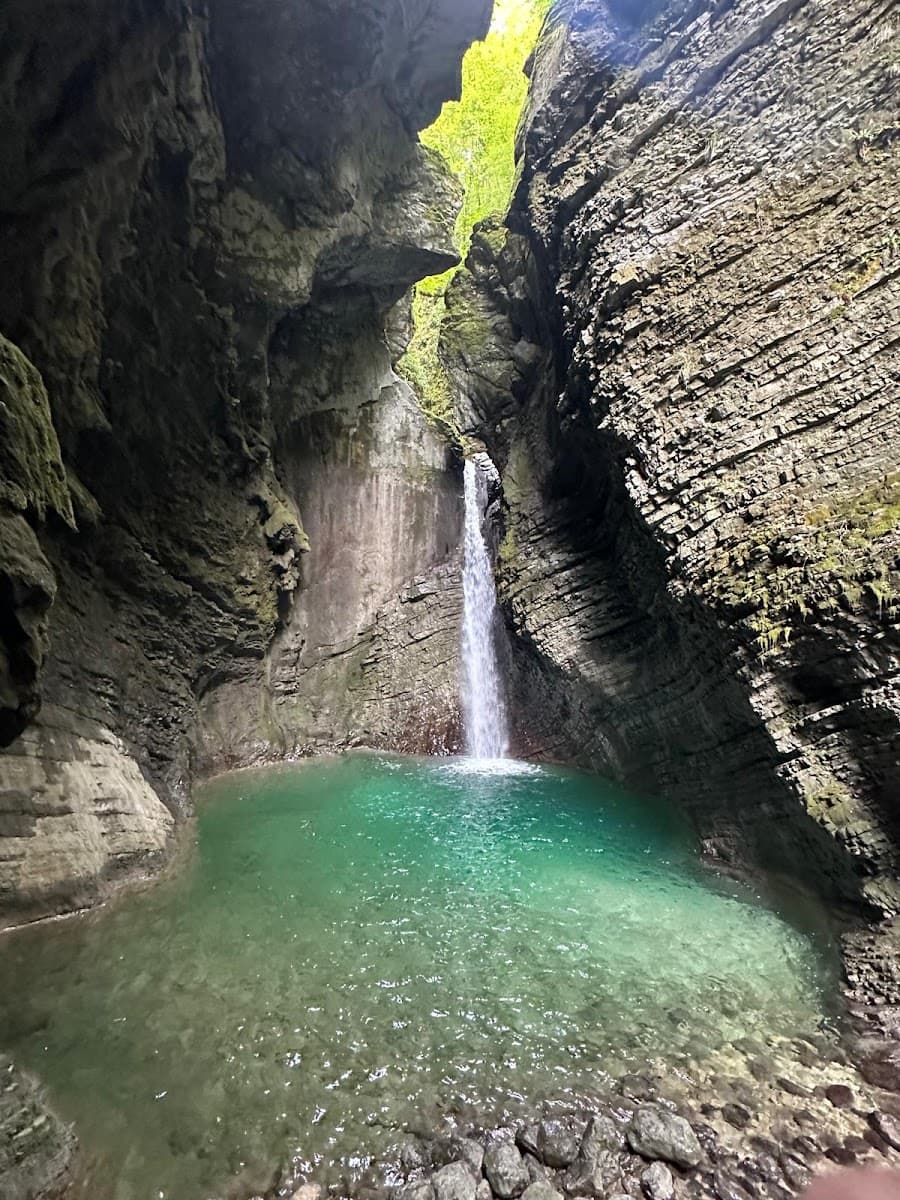
Slovenia — forest corridors and riverside tracks alongside the tarmac road routes
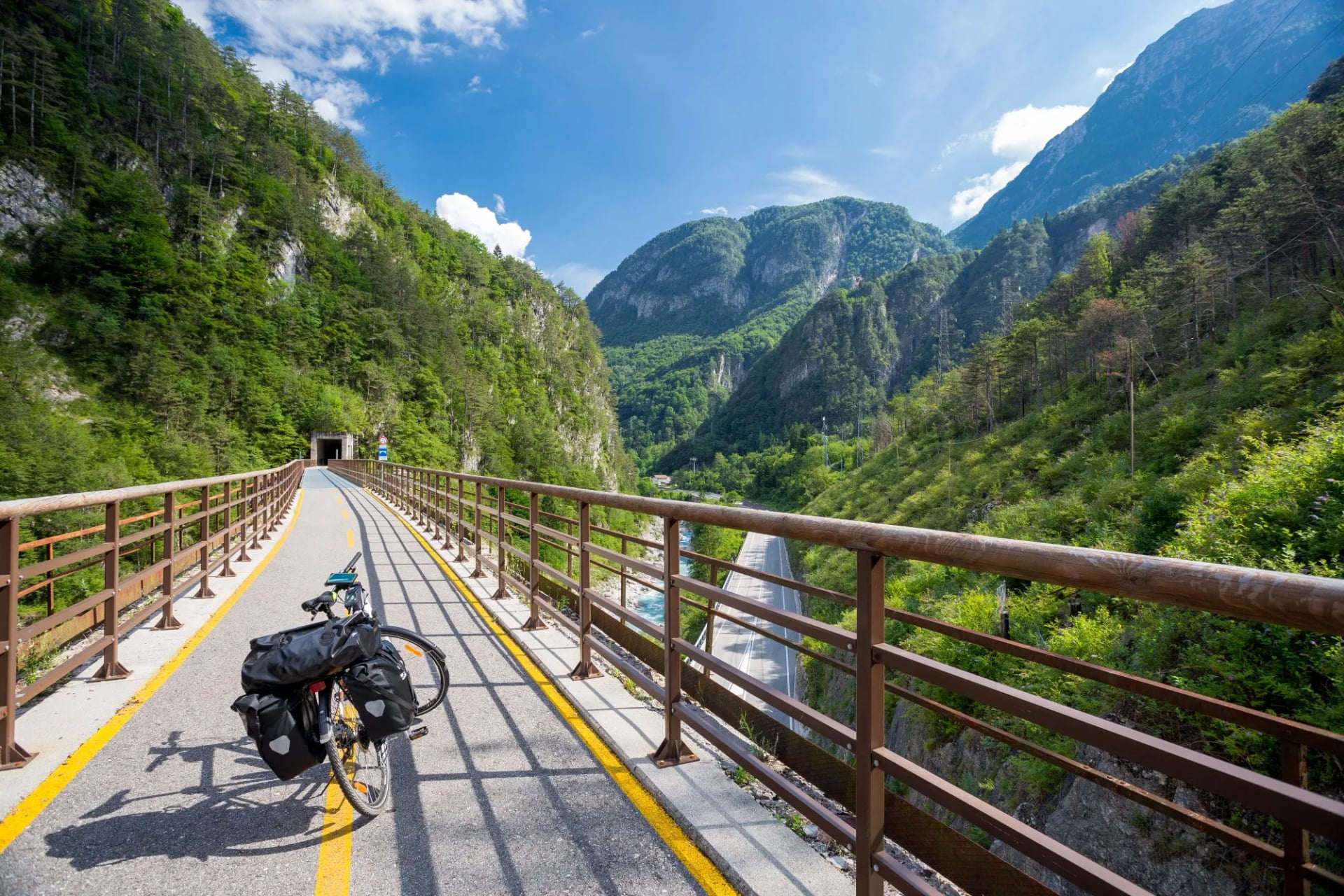
Portugal — ecopistas and ecovias on converted railway lines across the country
Not sure which to choose?
A road bike is faster on pure tarmac and suits destinations with excellent road infrastructure — Mallorca, the Dolomites, the Pyrenees climbs.
A gravel bike is the better choice for mixed-surface tours, converted rail trails, forest roads and any destination where the most interesting riding sits off the main road.
For most multi-day European touring, gravel is our default recommendation.
Get in touch if you're unsure which suits your chosen destination.
Five tours where a gravel bike is the natural choice:
Great Gravel Loop of Slovenia & Italy — forest tracks, Alpine passes and mixed terrain across two countries
Inn Cycle Path: St Moritz to Innsbruck — river valley paths and Alpine roads from Switzerland into Austria
Tuscany Gravel Cycling Tour — the strade bianche and cypress-lined gravel roads of the Chianti hills
The Romantic Road — quiet German countryside lanes and medieval town roads
Best of West Coast Sicily — coastal paths, inland tracks and Sicilian backroads
Gravel e-bikes combine the terrain versatility of a gravel bike with pedal assistance — our strongest recommendation for mountainous gravel destinations like Romania, Slovenia and Scotland.
The wider tyres handle mixed surfaces, the motor handles the climbing and the range of destinations available to you expands significantly.
Limited availability across the full portfolio alongside standard gravel bike rental, so inquire first.
Gravel touring feels different from road cycling in ways worth knowing before you go.
Daily distances are typically shorter — Expect 50–80 km per stage rather than 80–120 km on a road tour.
Navigation requires more attention — gravel routes involve more turns and surface changes. Our GPS tracks flag surface changes in advance.
Pack light — carrying less weight makes a meaningful difference on gravel climbs and loose surfaces.
The quality of the gravel bike matters — particularly on mixed terrain where the wrong tyre width or geometry makes a meaningful difference to how the day rides.
Our partners' fleets feature current-model gravel bikes from leading manufacturers, matched to each tour's specific terrain requirements before you arrive.
Not sure which setup suits your destination? Our team will advise before you travel.