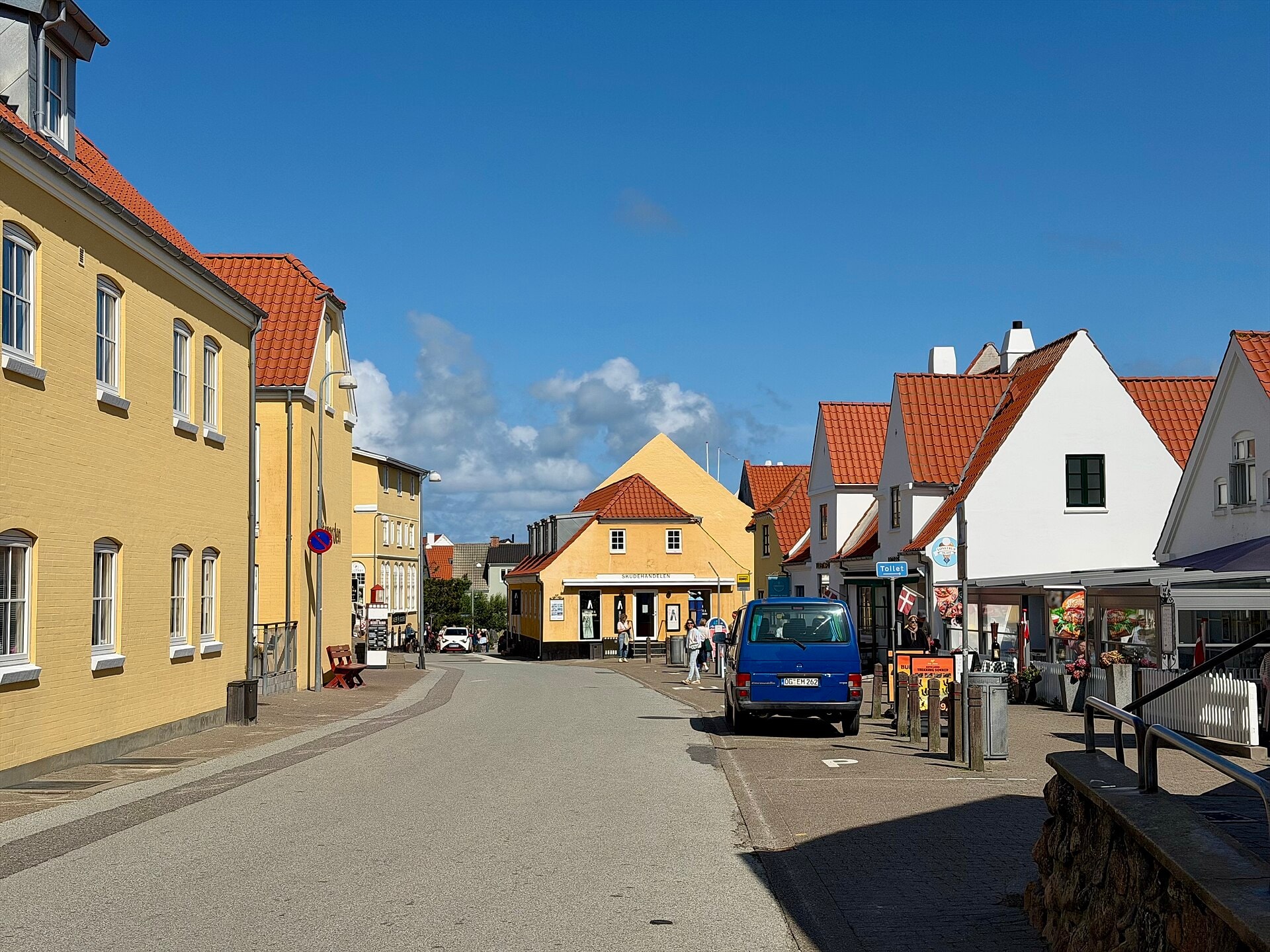






Hotel in Thyborøn
1/3
Cycling Denmark's Wild West Coast
8 days / 7 nights
|
Denmark|
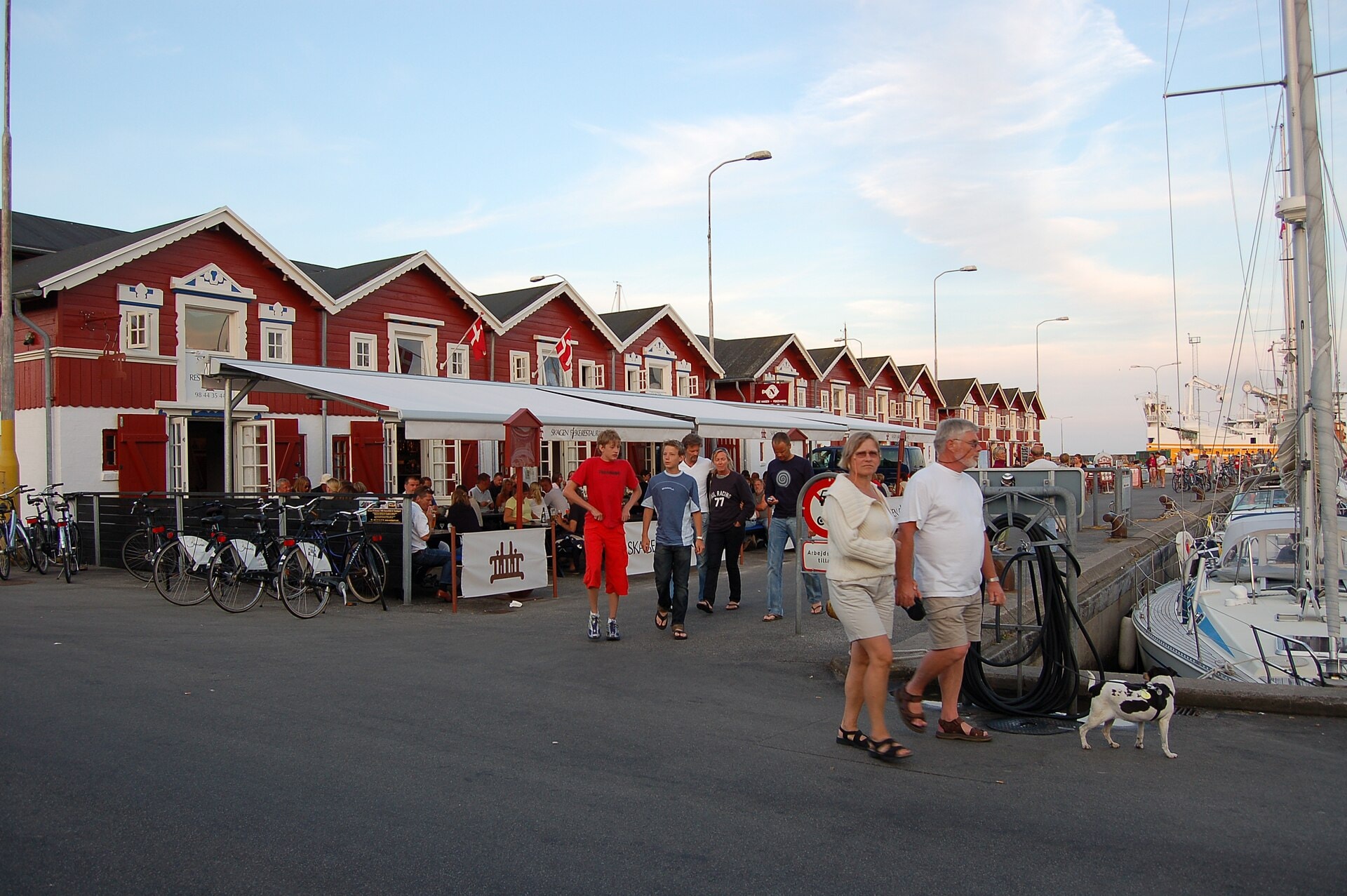
Ride the North Sea Cycle Route from Thyborøn to Skagen, where the Skagen Painters chased the light and two seas meet at the tip of Denmark.
Ride the North Sea Cycle Route from Thyborøn to Skagen, where the Skagen Painters chased the light and two seas meet at the tip of Denmark.
Ride the North Sea Cycle Route from Thyborøn to Skagen, where the Skagen Painters chased the light and two seas meet at the tip of Denmark.
Highlights
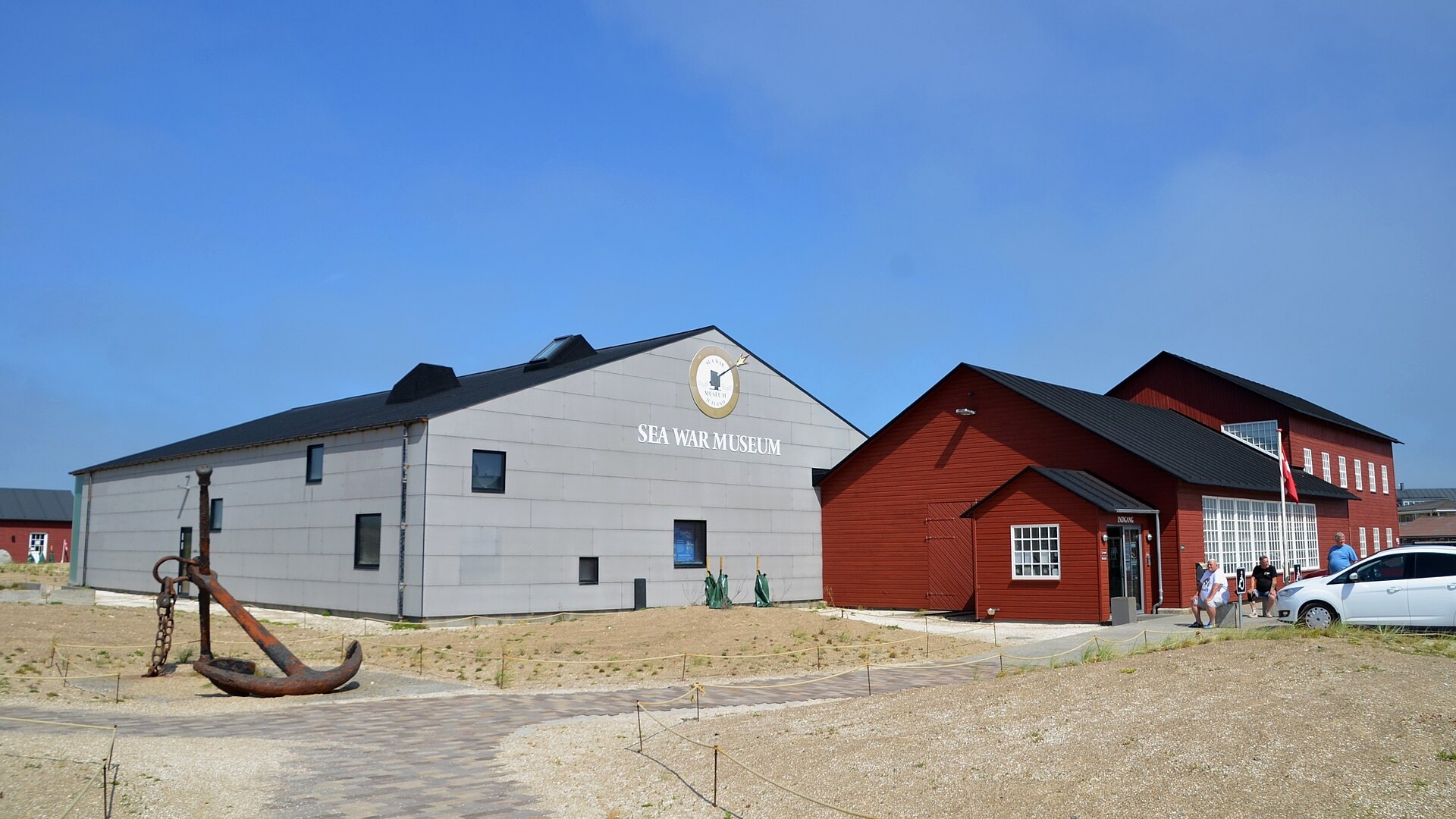
- The Battle of Jutland, the First World War's largest sea battle, told in Thyborøn
- Ride into Thy National Park, the first national park in Denmark
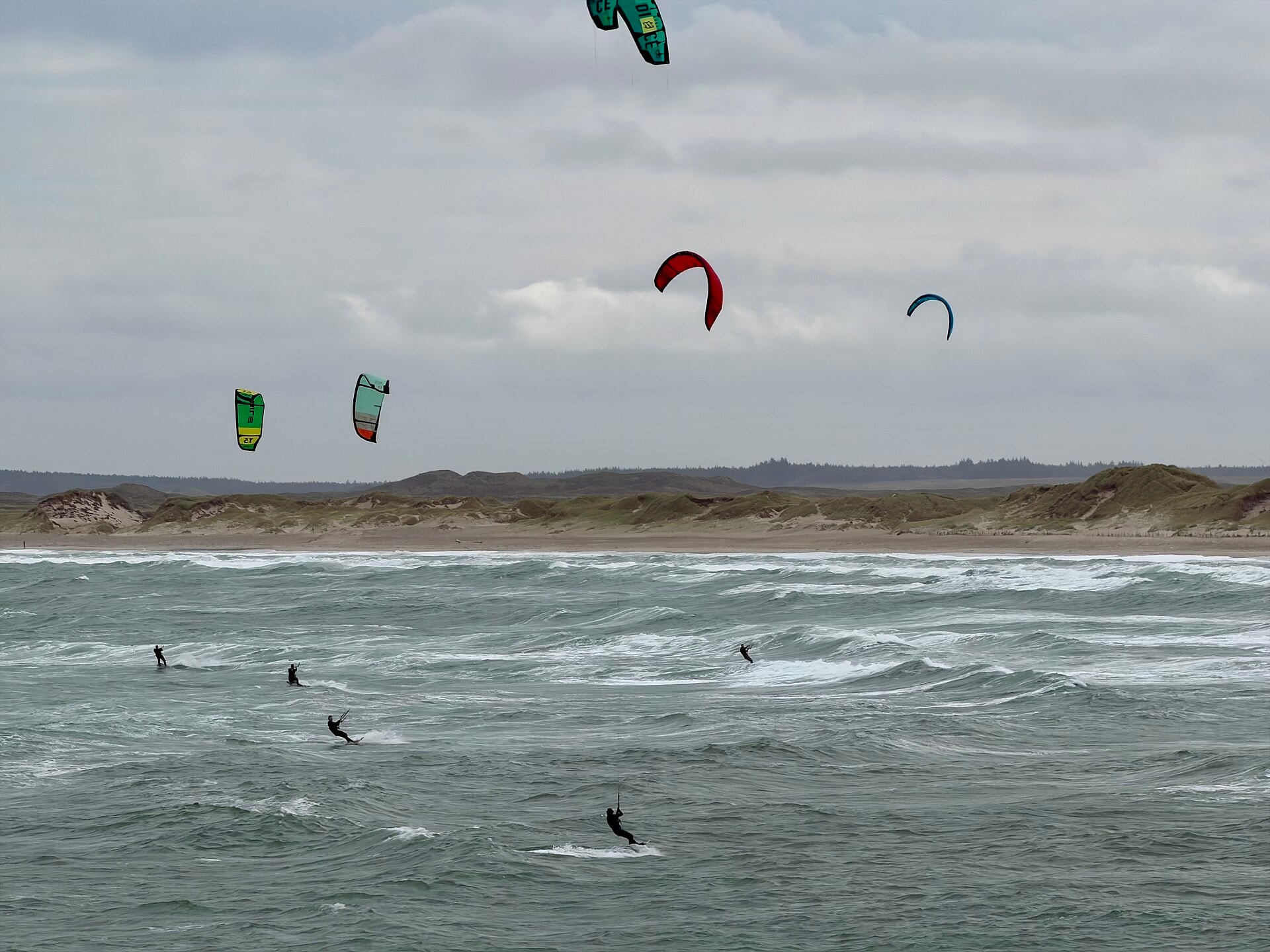
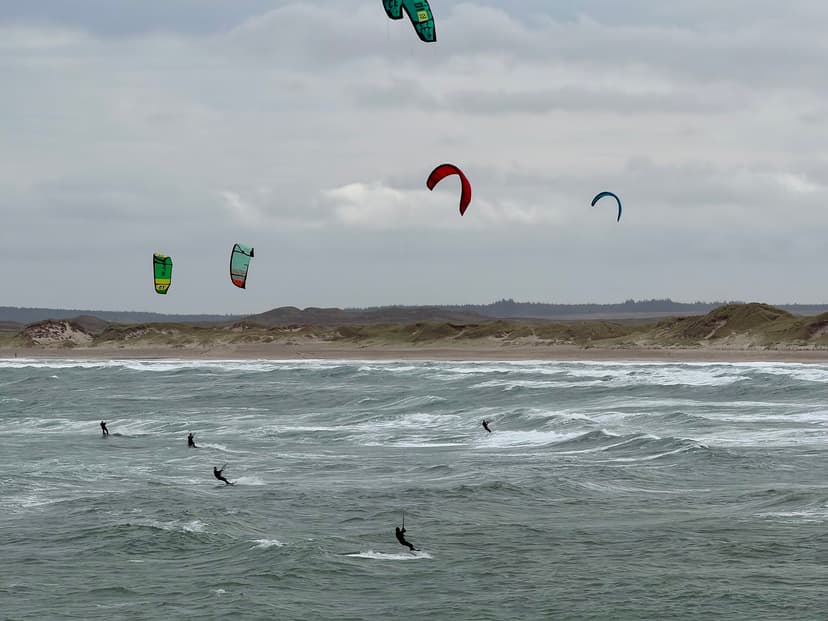
- Watch windsurfers take on the North Sea swell at Cold Hawaii in Klitmøller
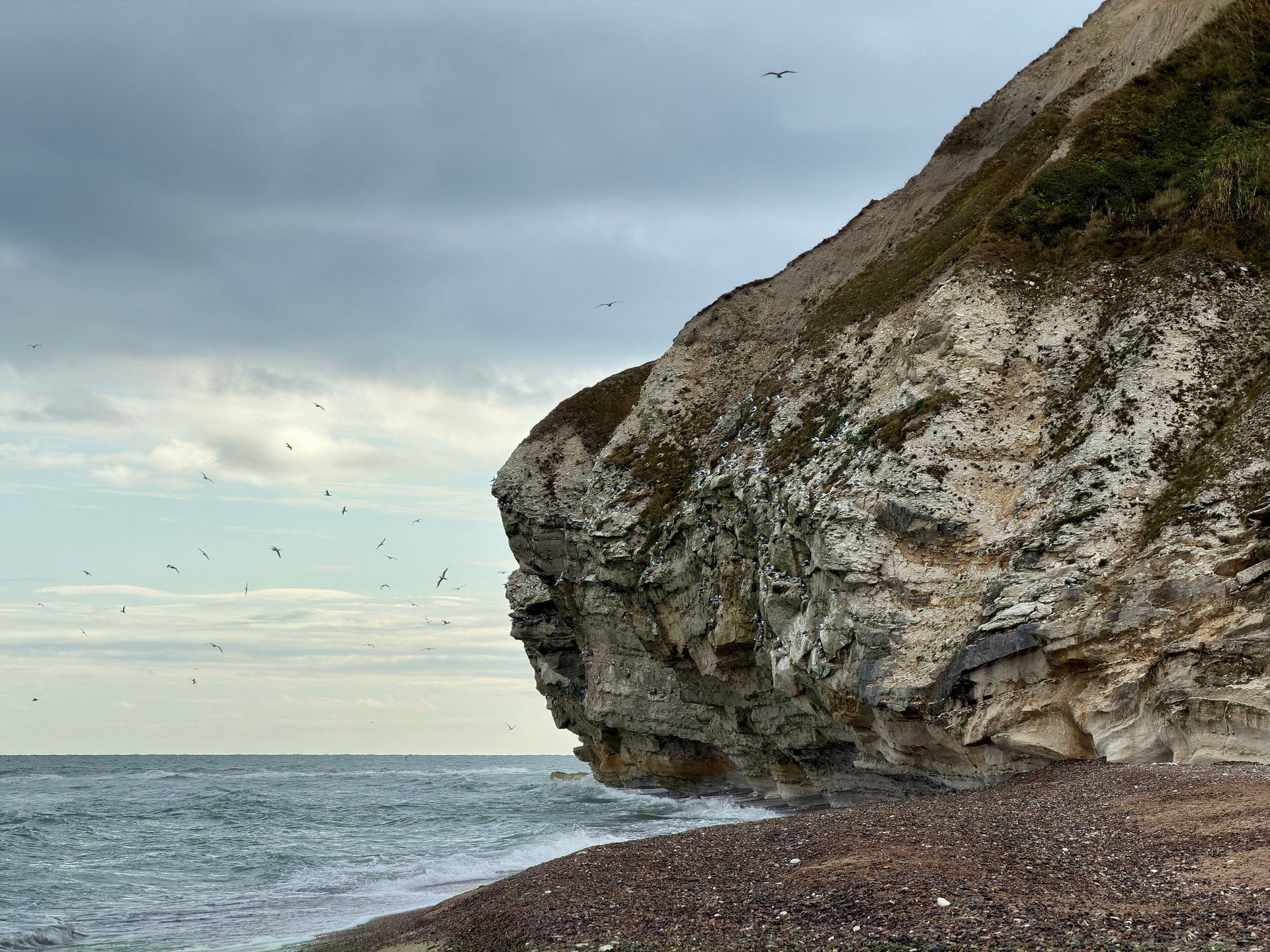
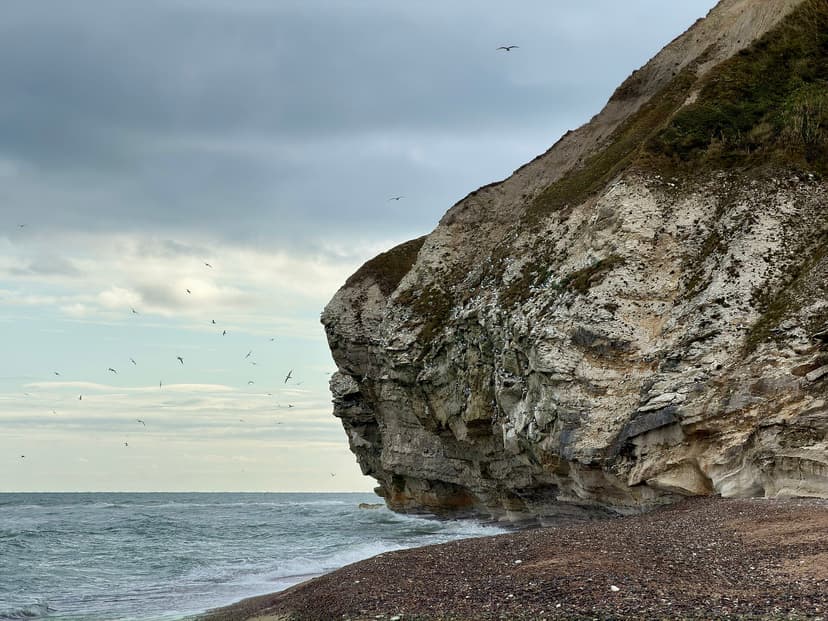
- Only one bird cliff on mainland Denmark: Bulbjerg, high above the bay of Jammerbugt
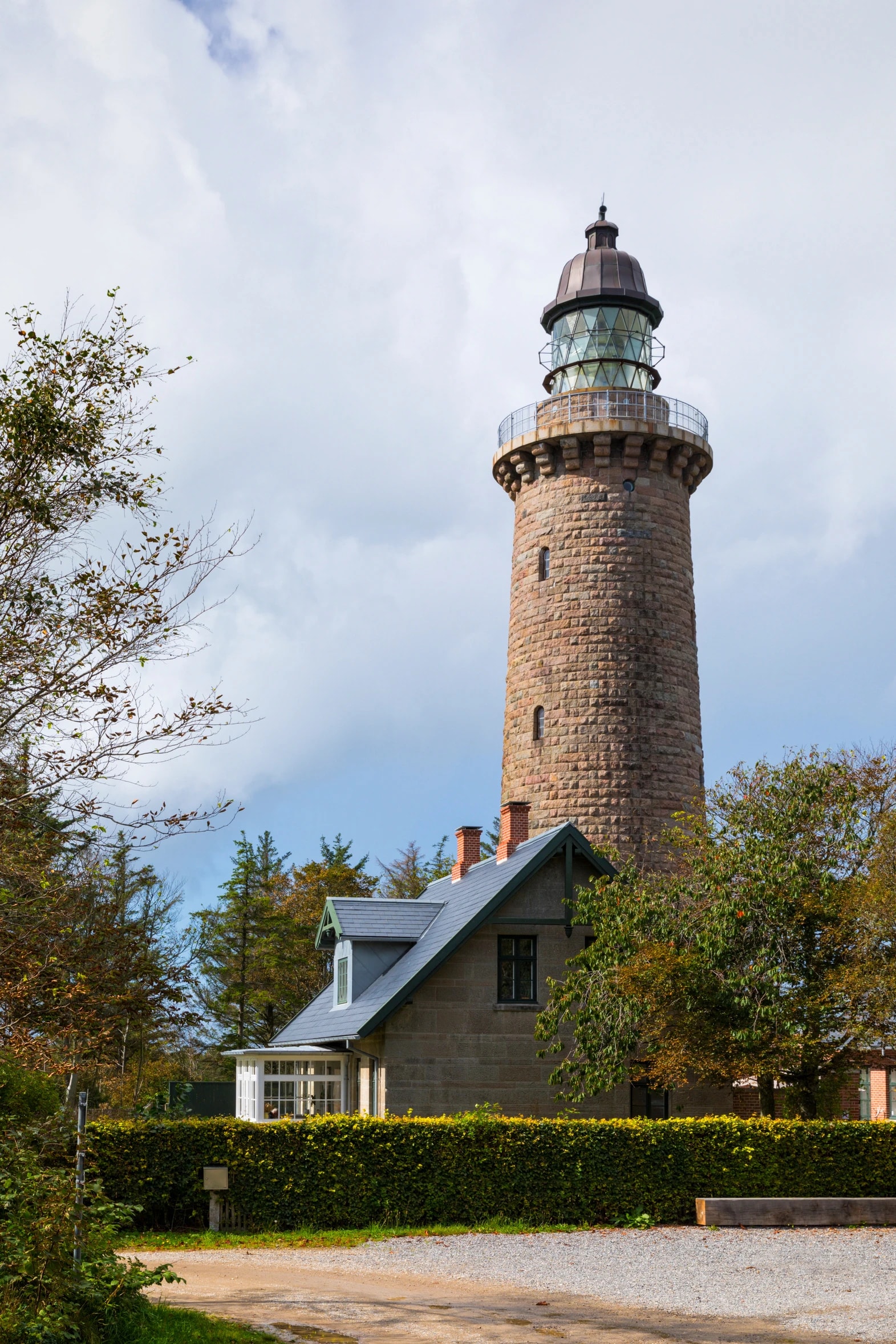
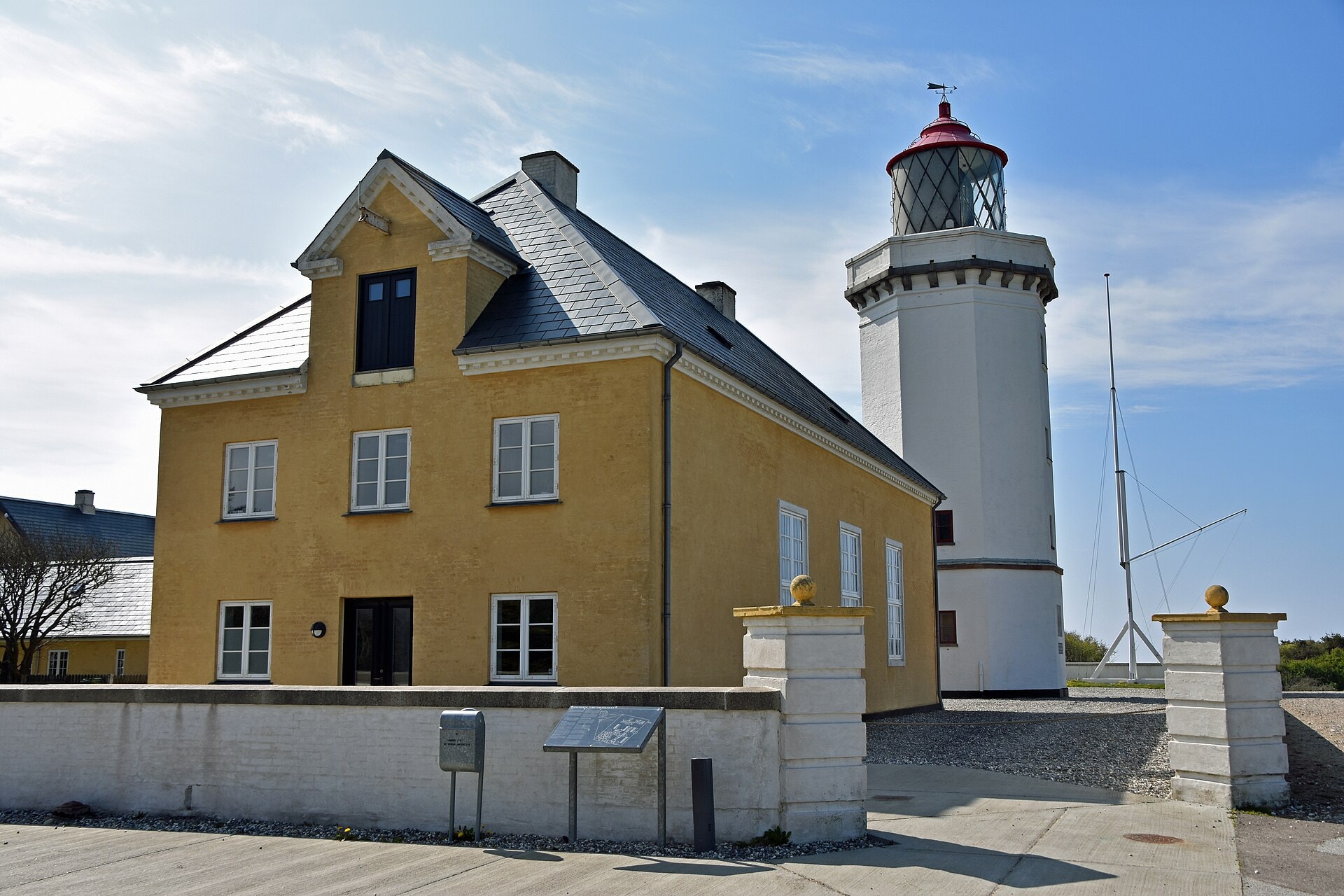
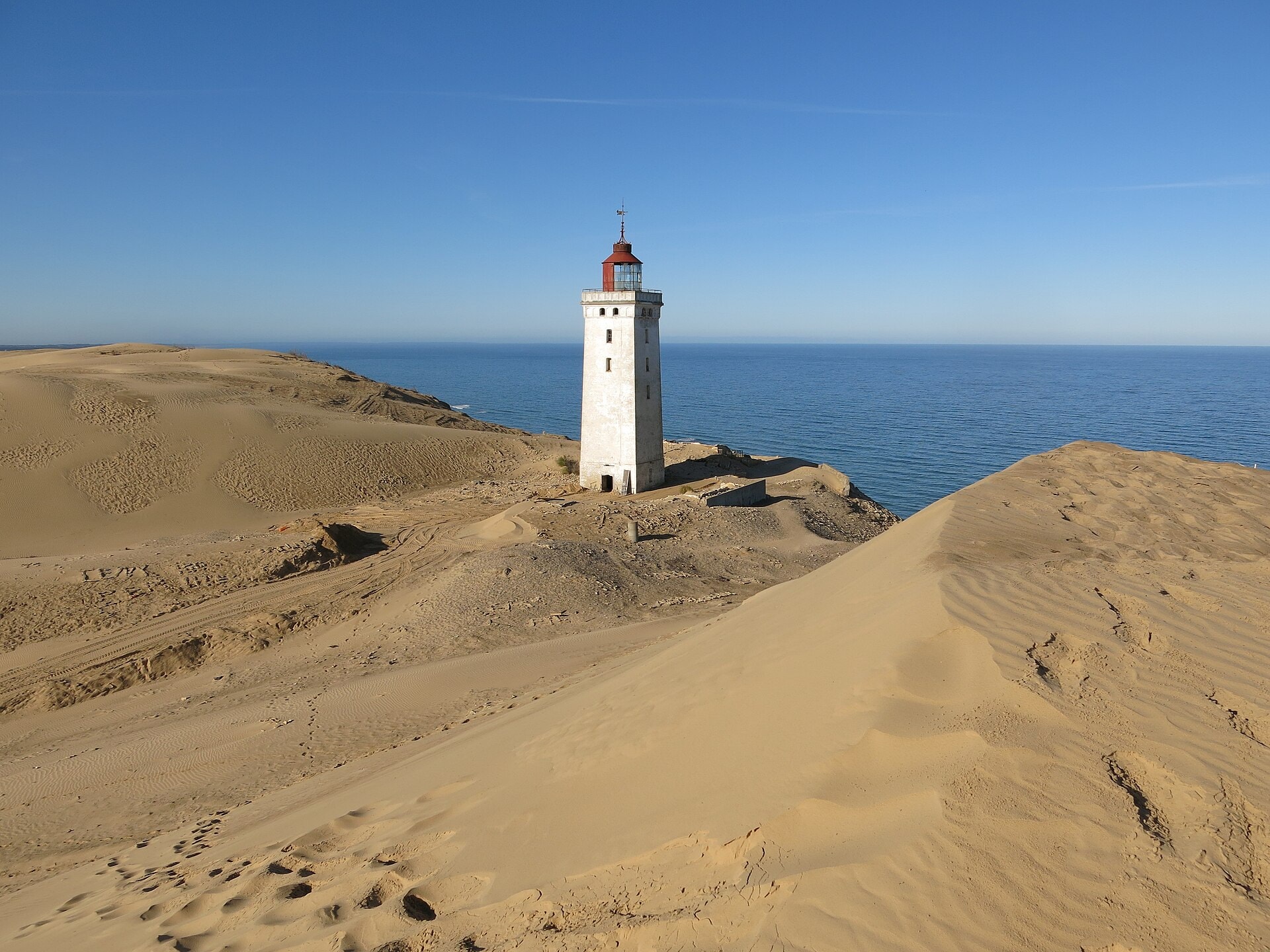
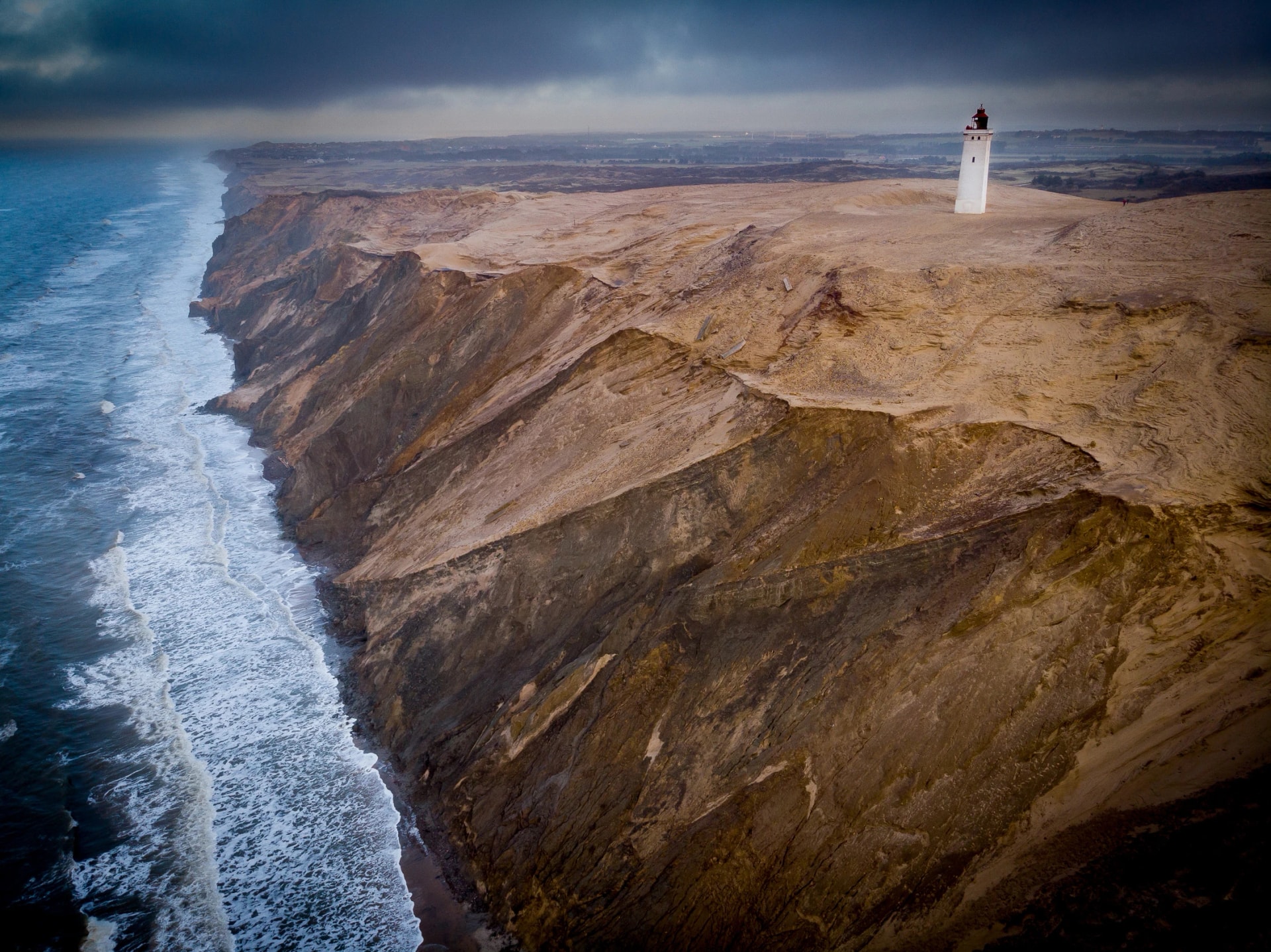
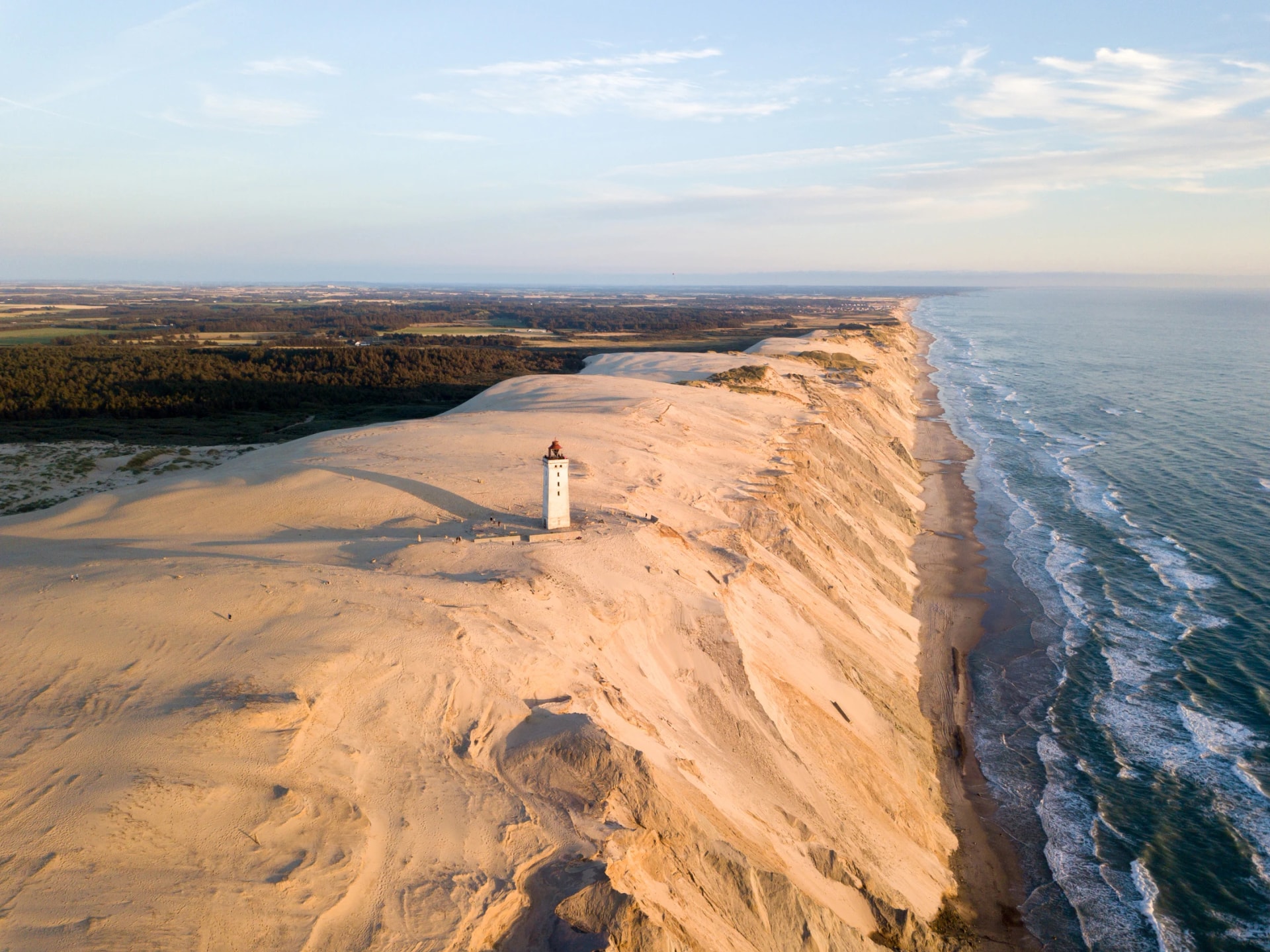
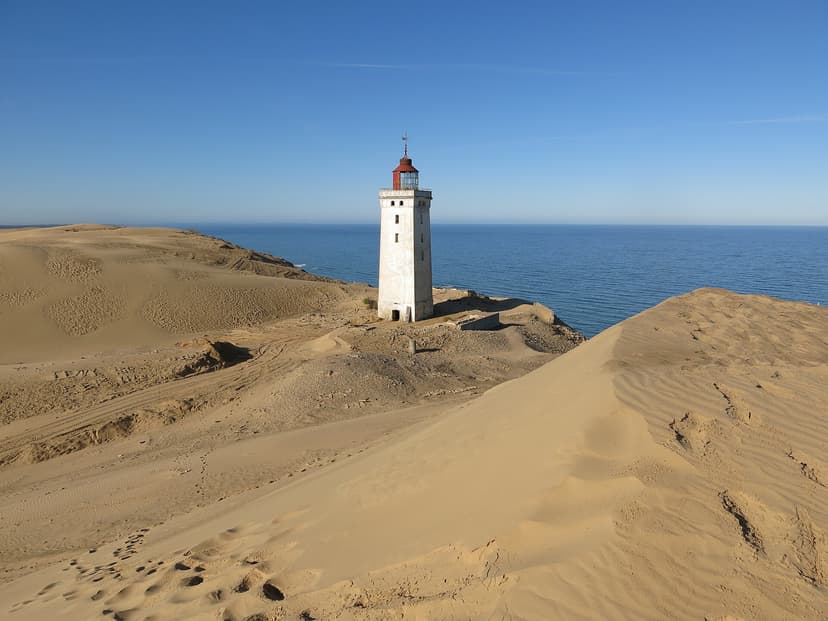
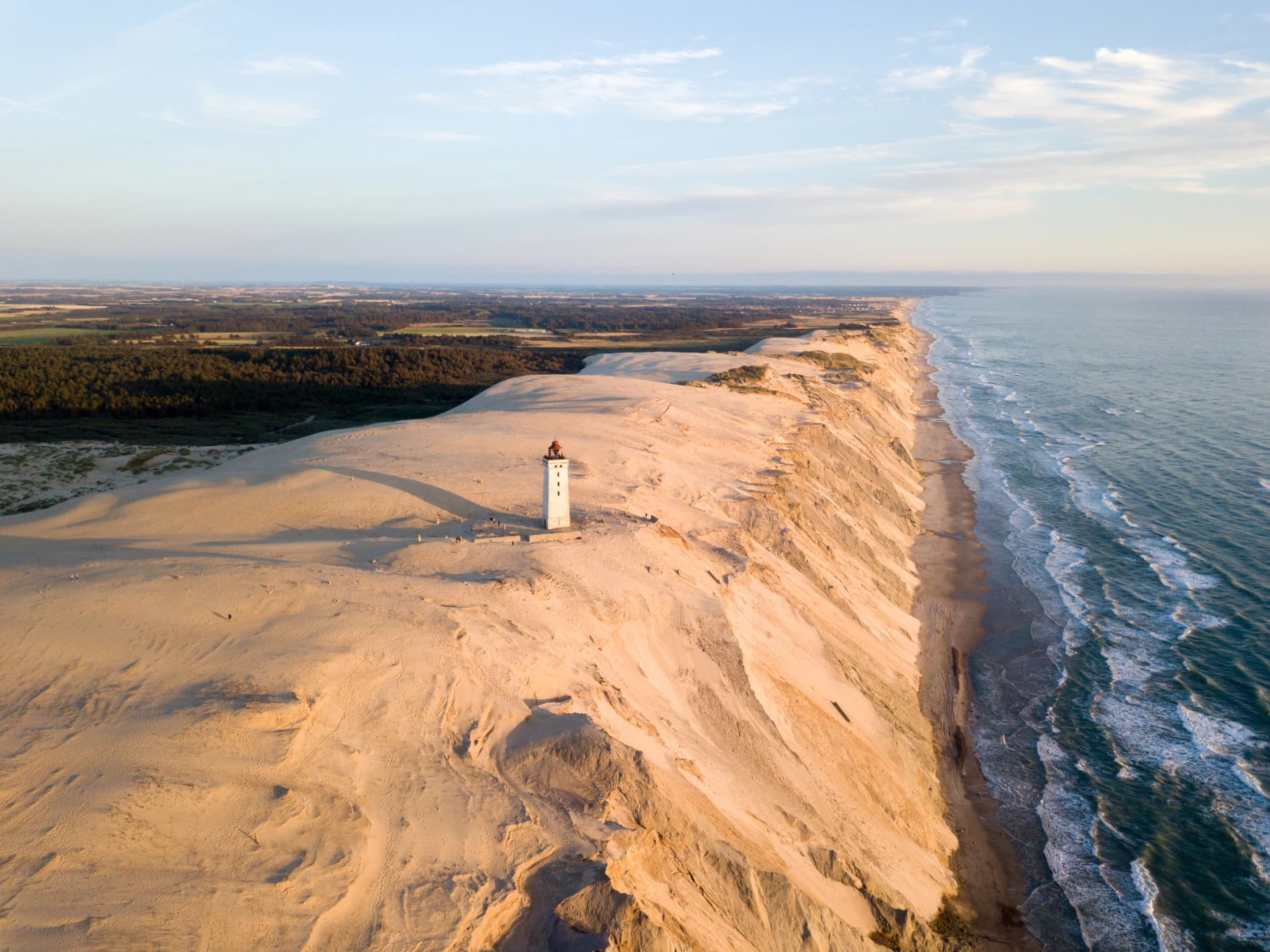
- Stand beside Rubjerg Knude Lighthouse, moved inland on rails to escape the sea
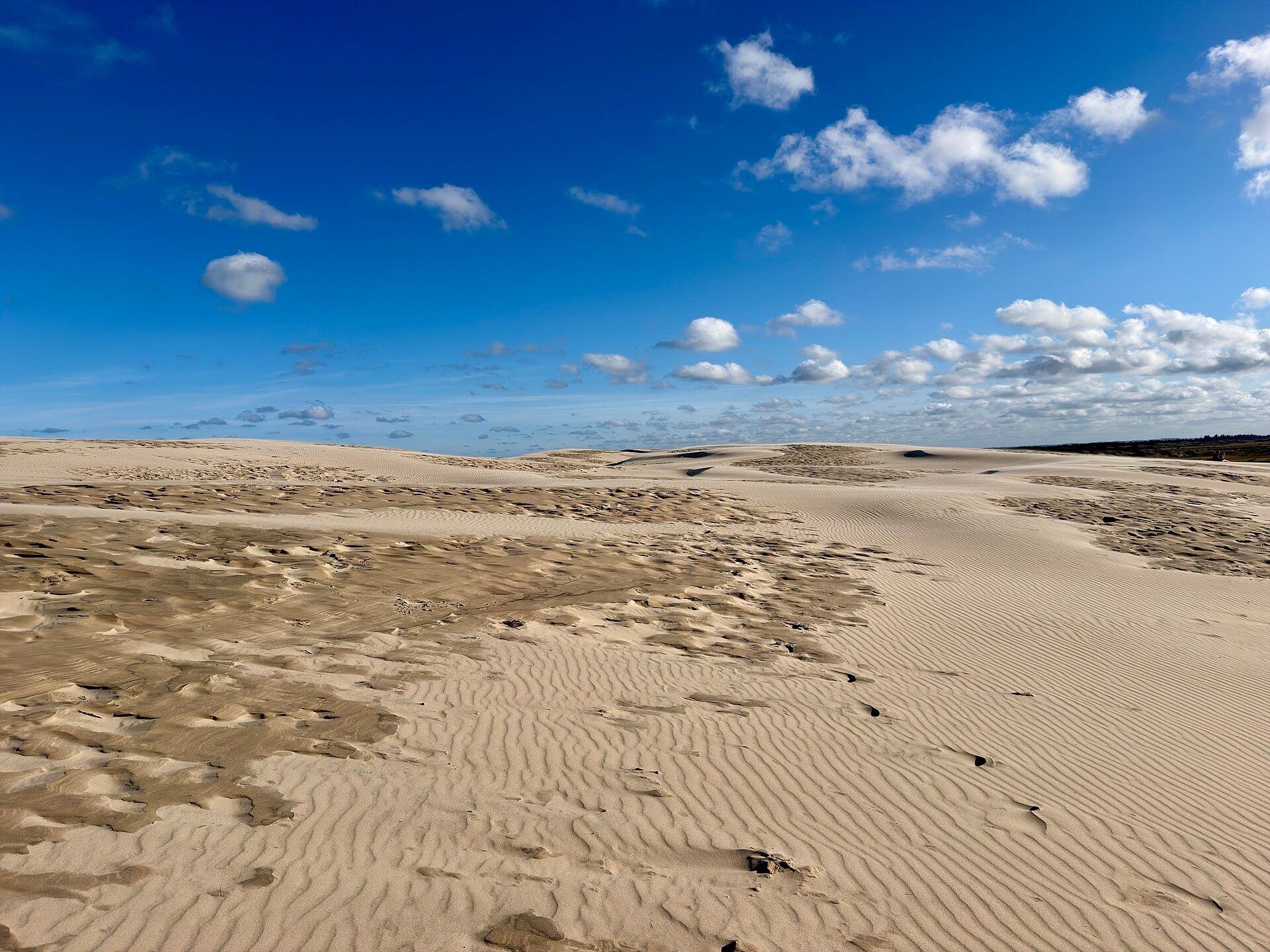
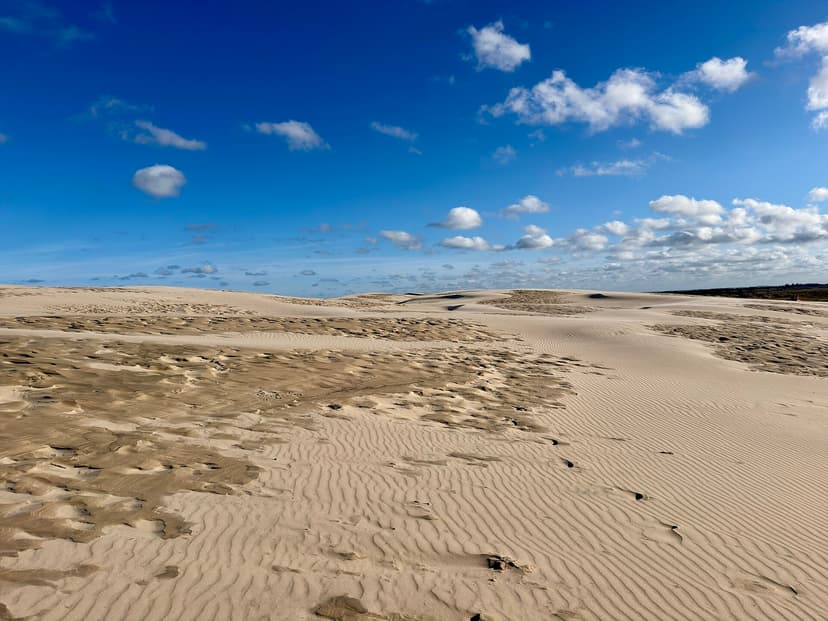
- Barefoot on Råbjerg Mile, the largest moving dune in Northern Europe
What’s included in the price?
Self-guided
Those who like good adventure and limitless flexibility should go on a self-guided cycling holiday. It offers complete freedom, multiple detour opportunities, and exploration at your own pace without having to adapt to a group.
INCLUDED
7 nights: 6 in seaside hotels and 1 in a holiday apartment (Vigsø)
Tour design and organization
Breakfast, where your stay serves it
Digital guidebook with detailed itinerary and route instructions
GPS navigation with an easy-to-use app
Service and support during your tour
Luggage transfer
NOT INCLUDED
Ferry ticket (Thyborøn – Agger on day 2)
Train tickets (to Thyborøn and from Skagen)
Airport transfer
Individual travel insurance
Bike rental (available as an optional extra: regular, e-bike or gravel bike)
Tourist tax
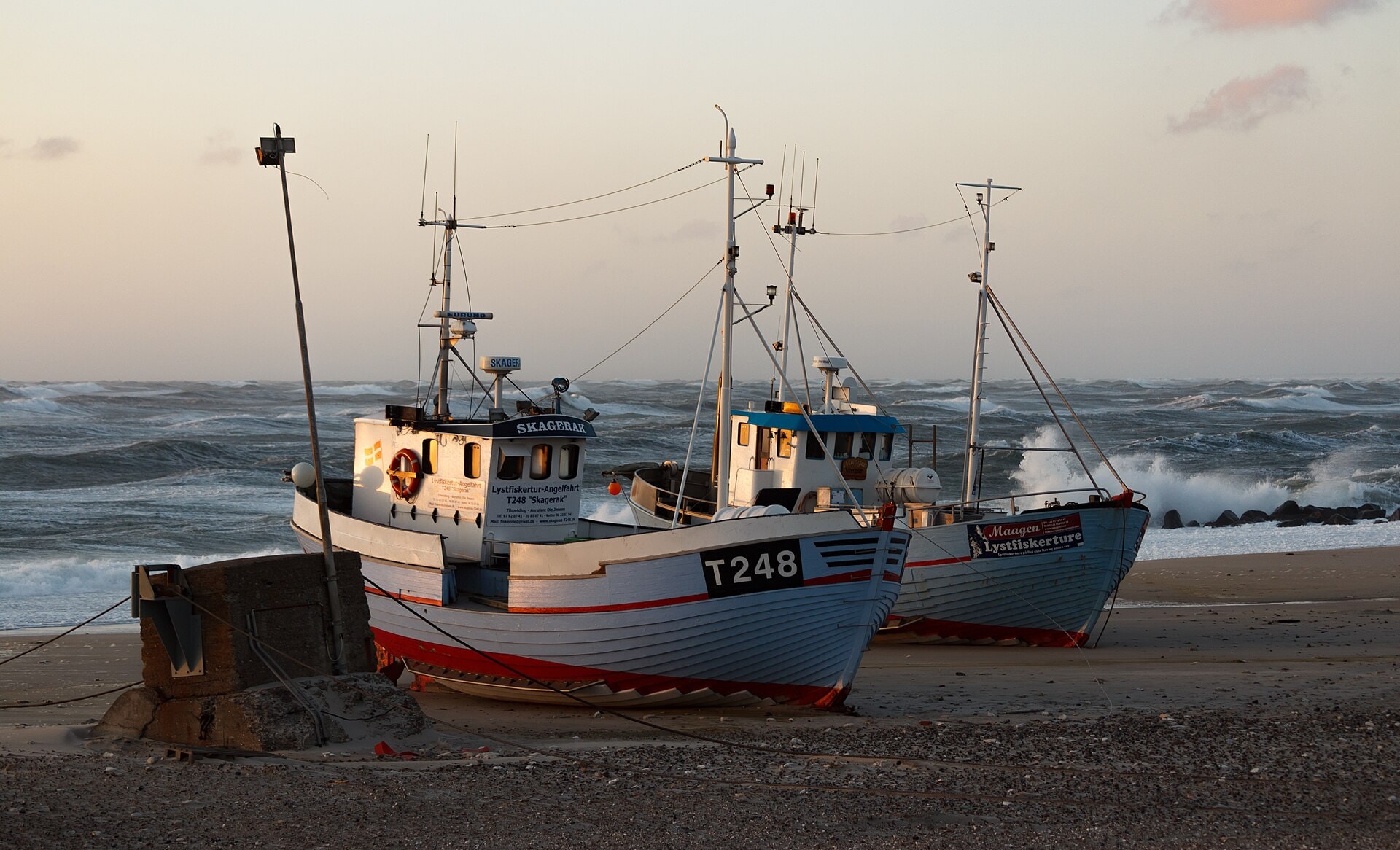
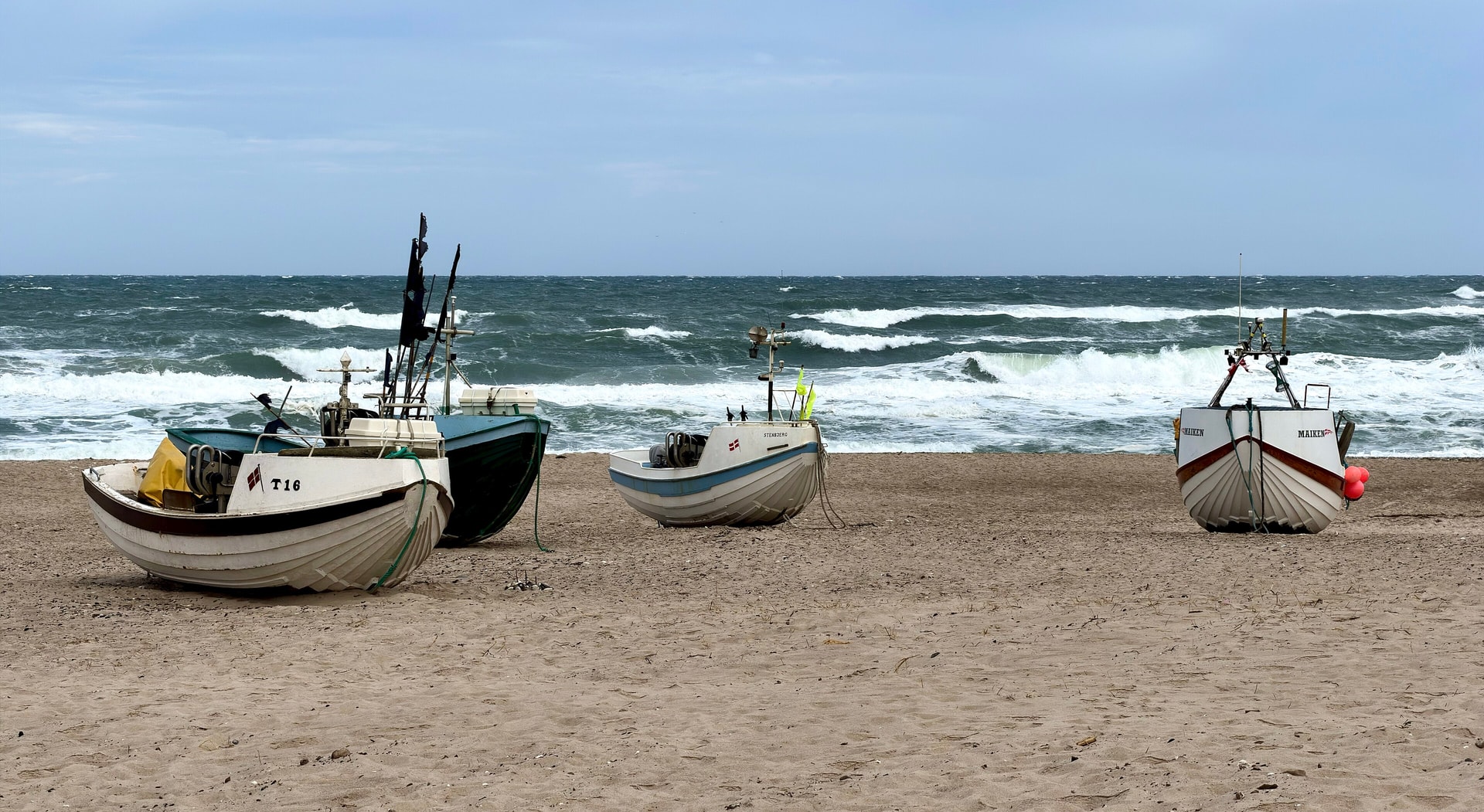
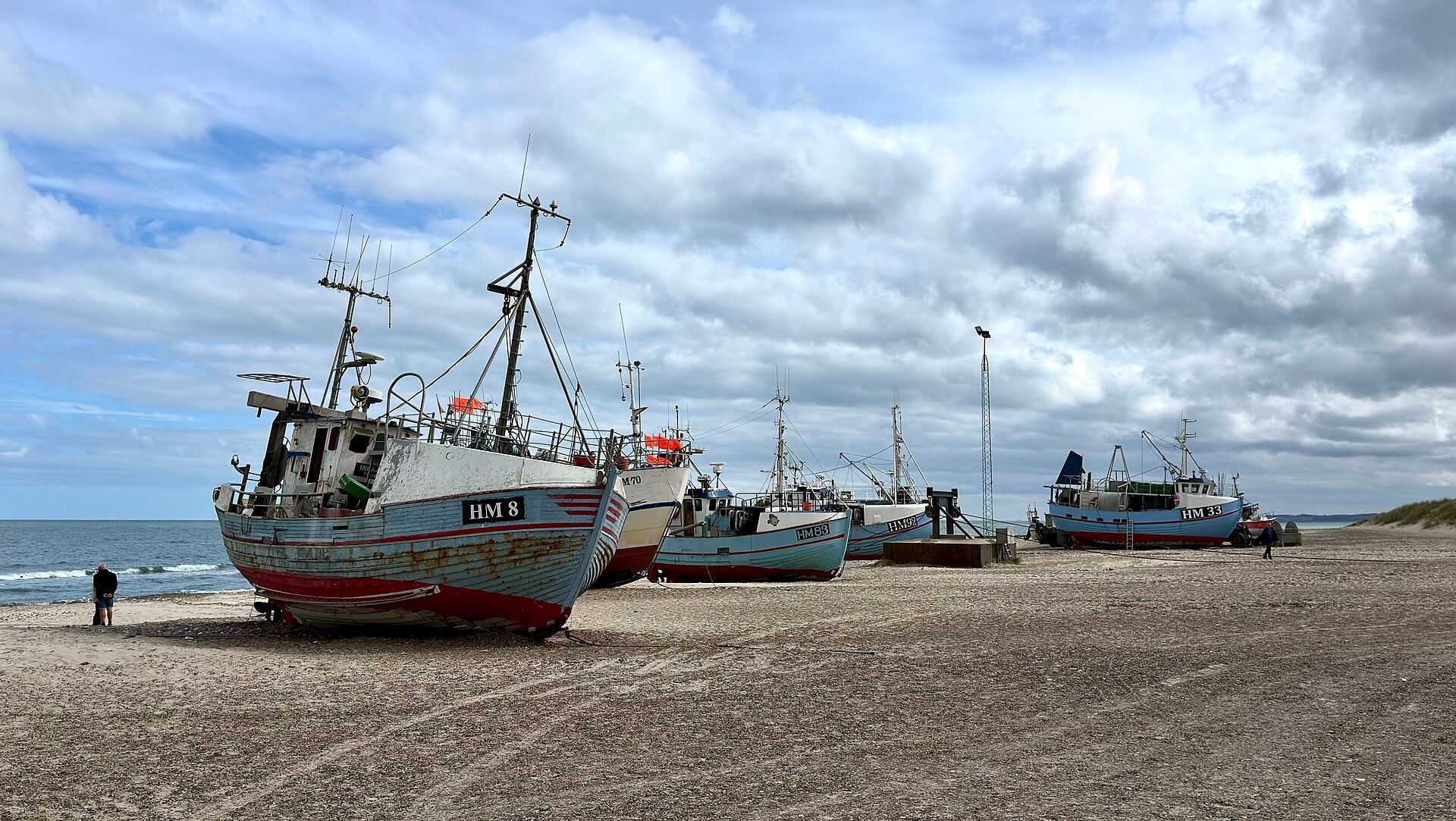
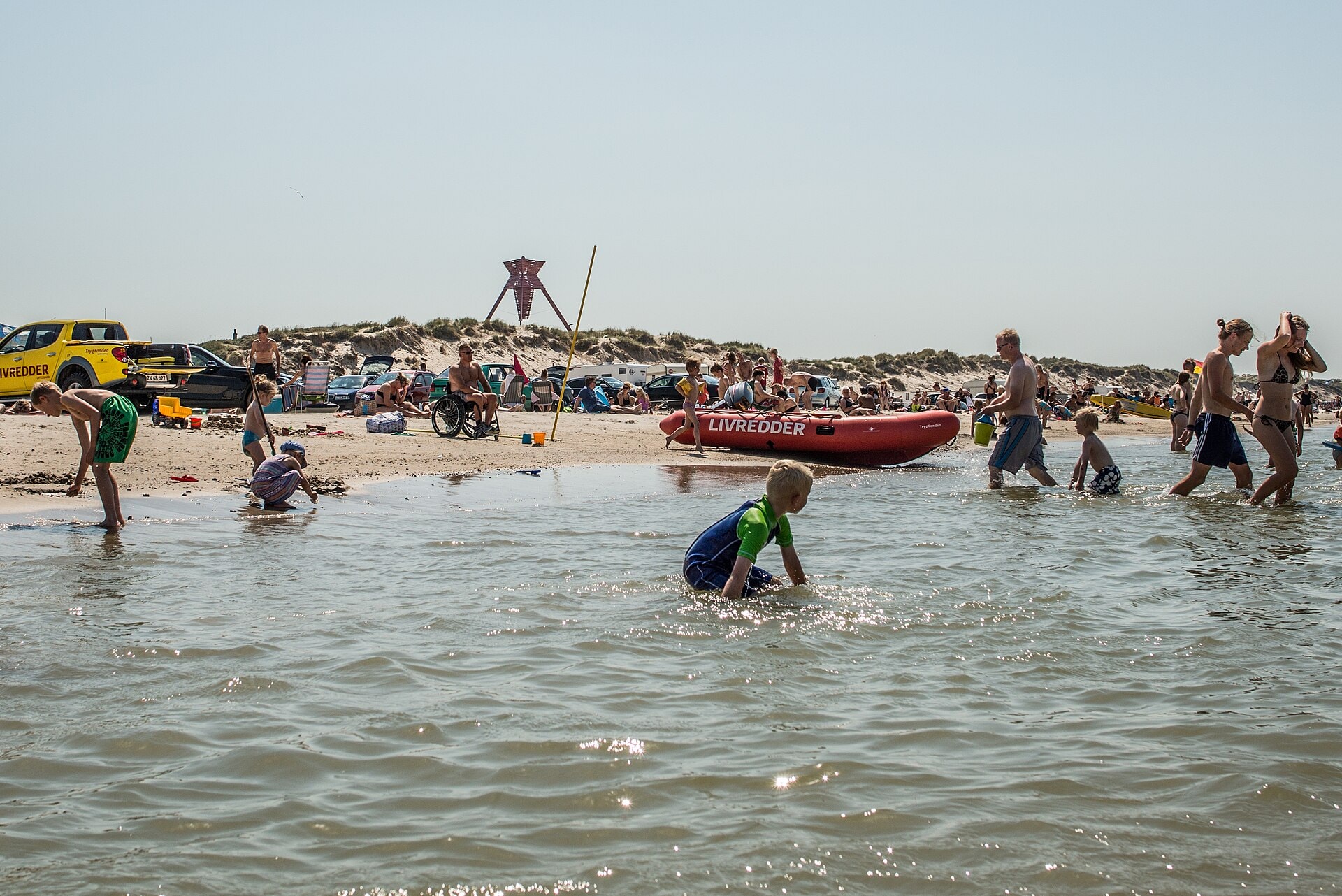
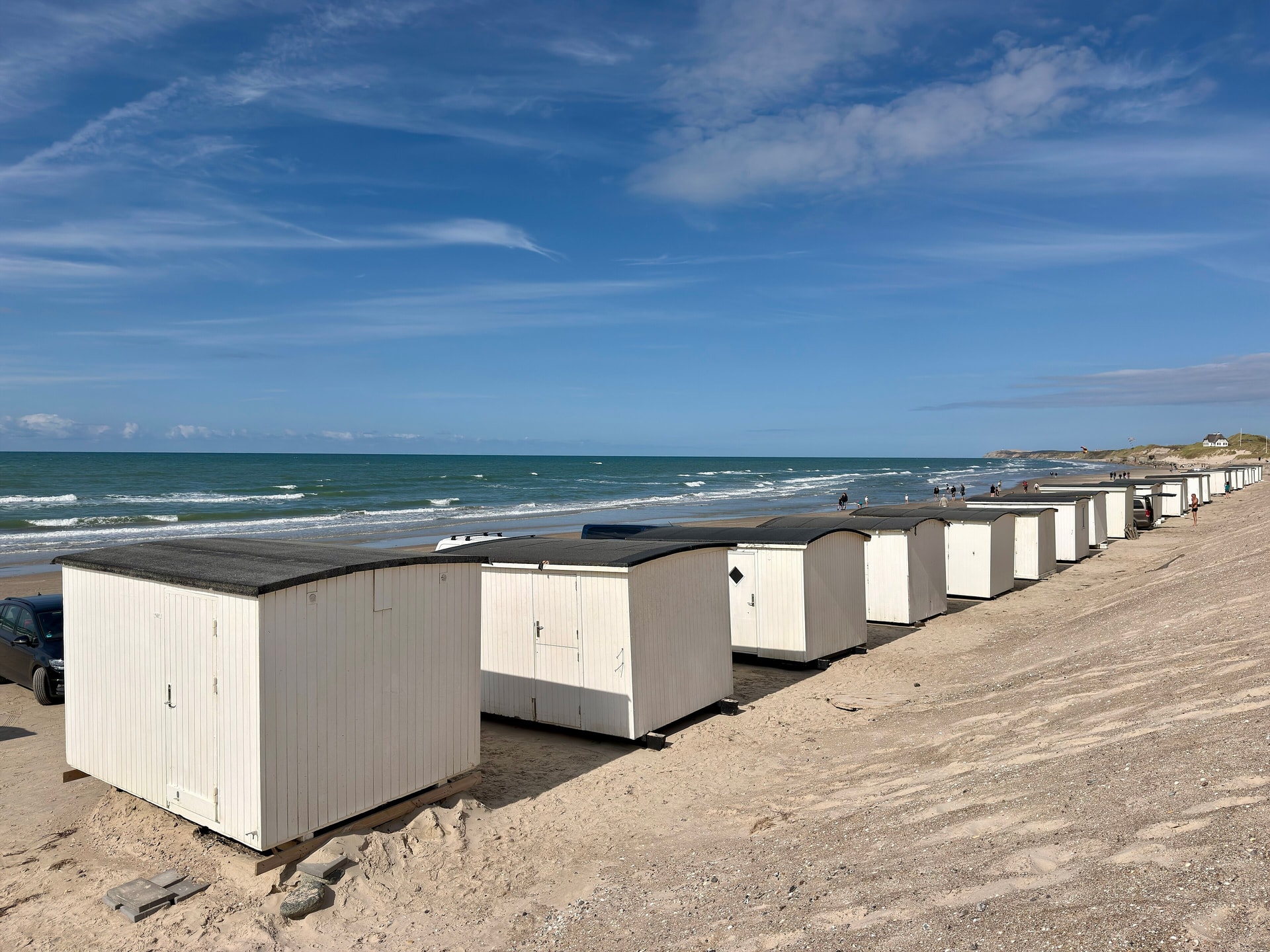
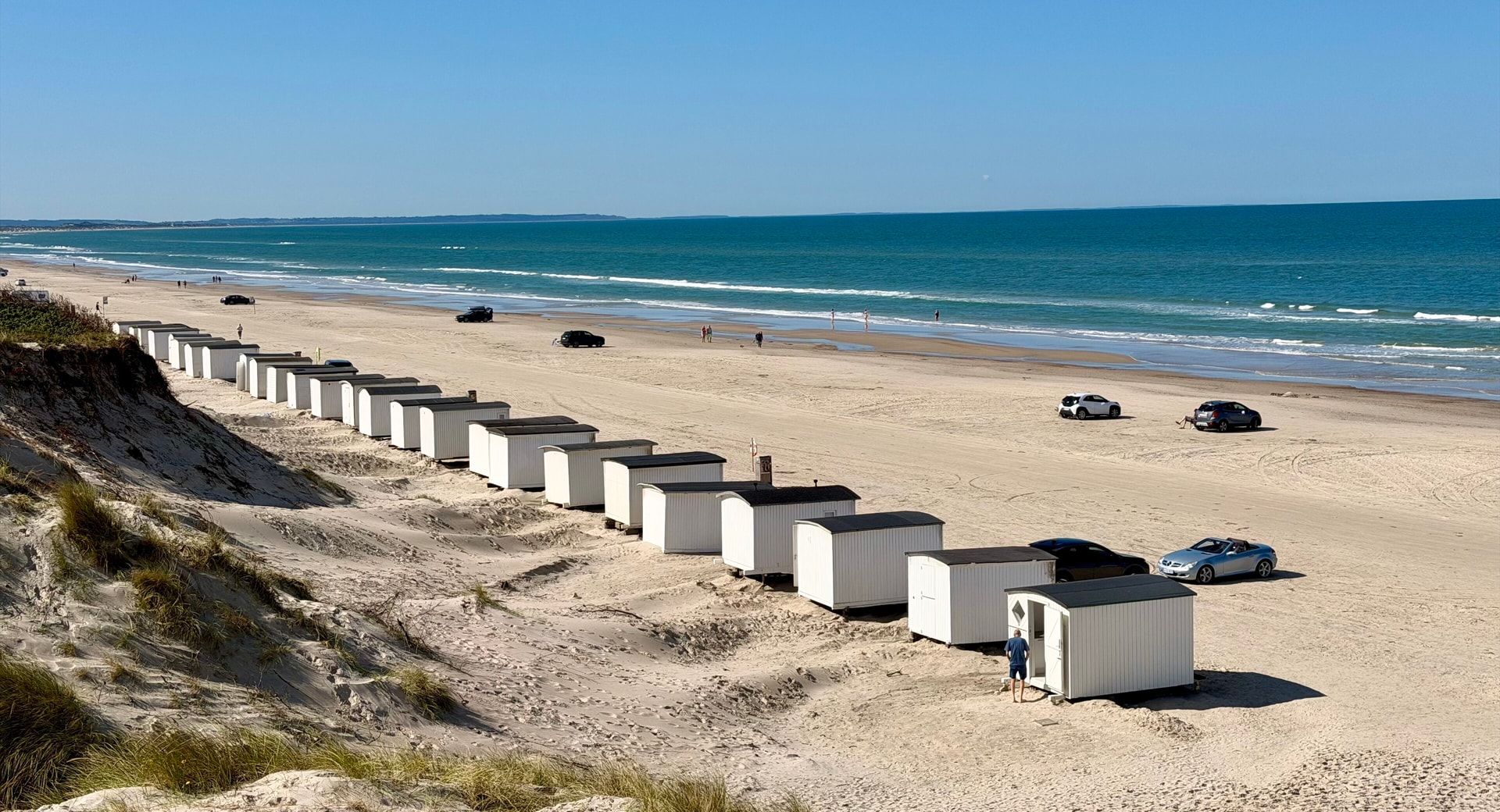
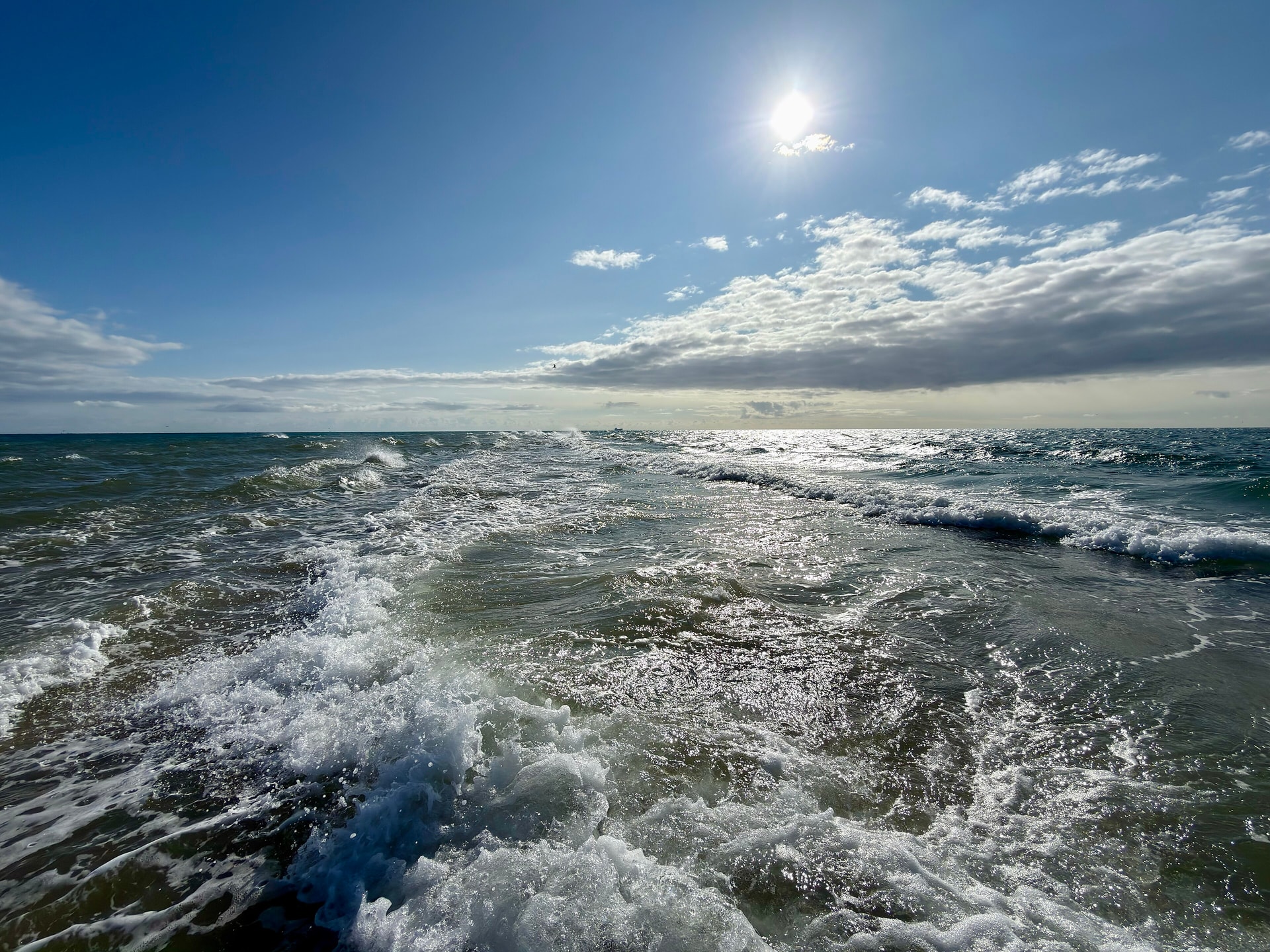
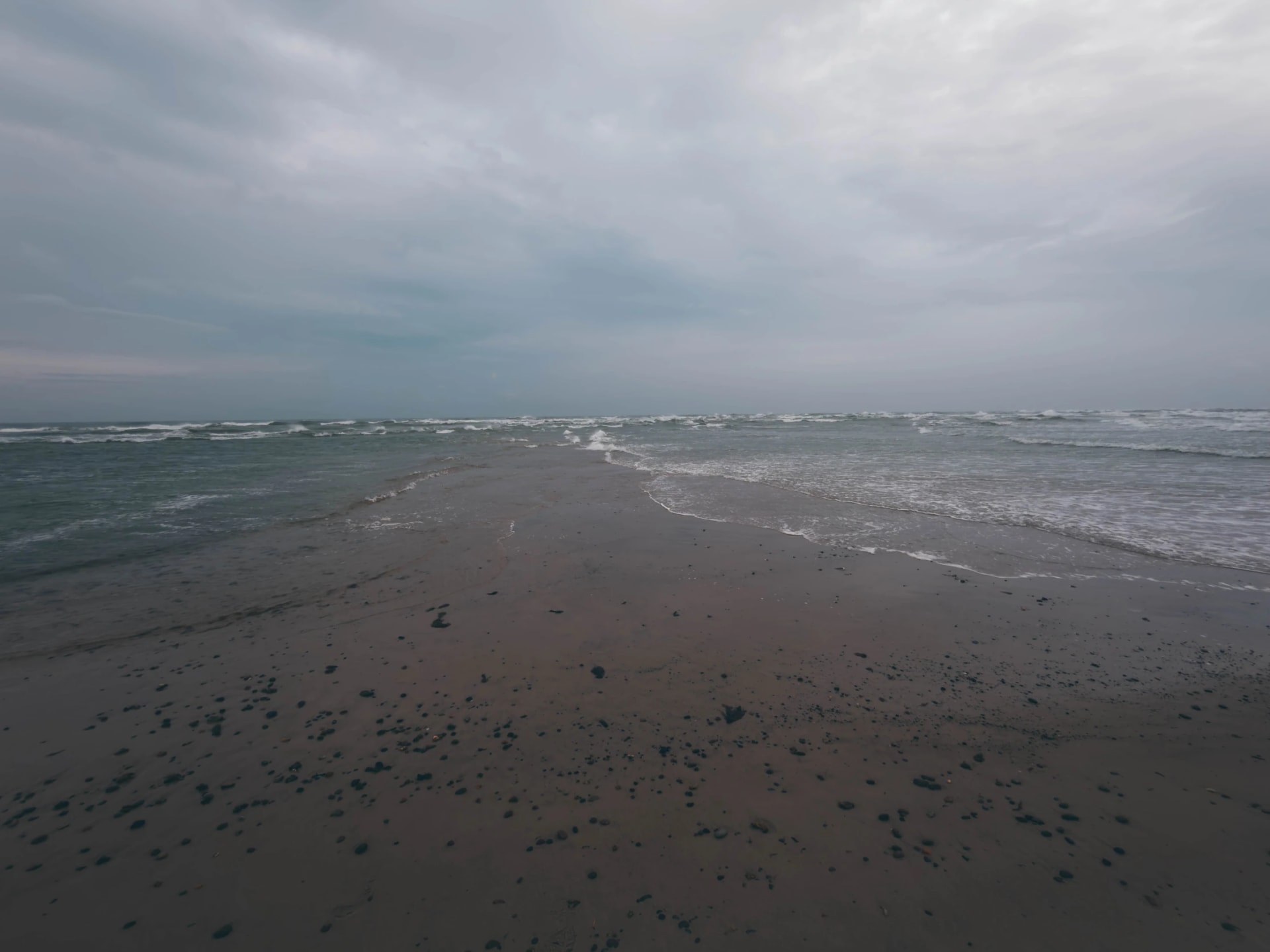
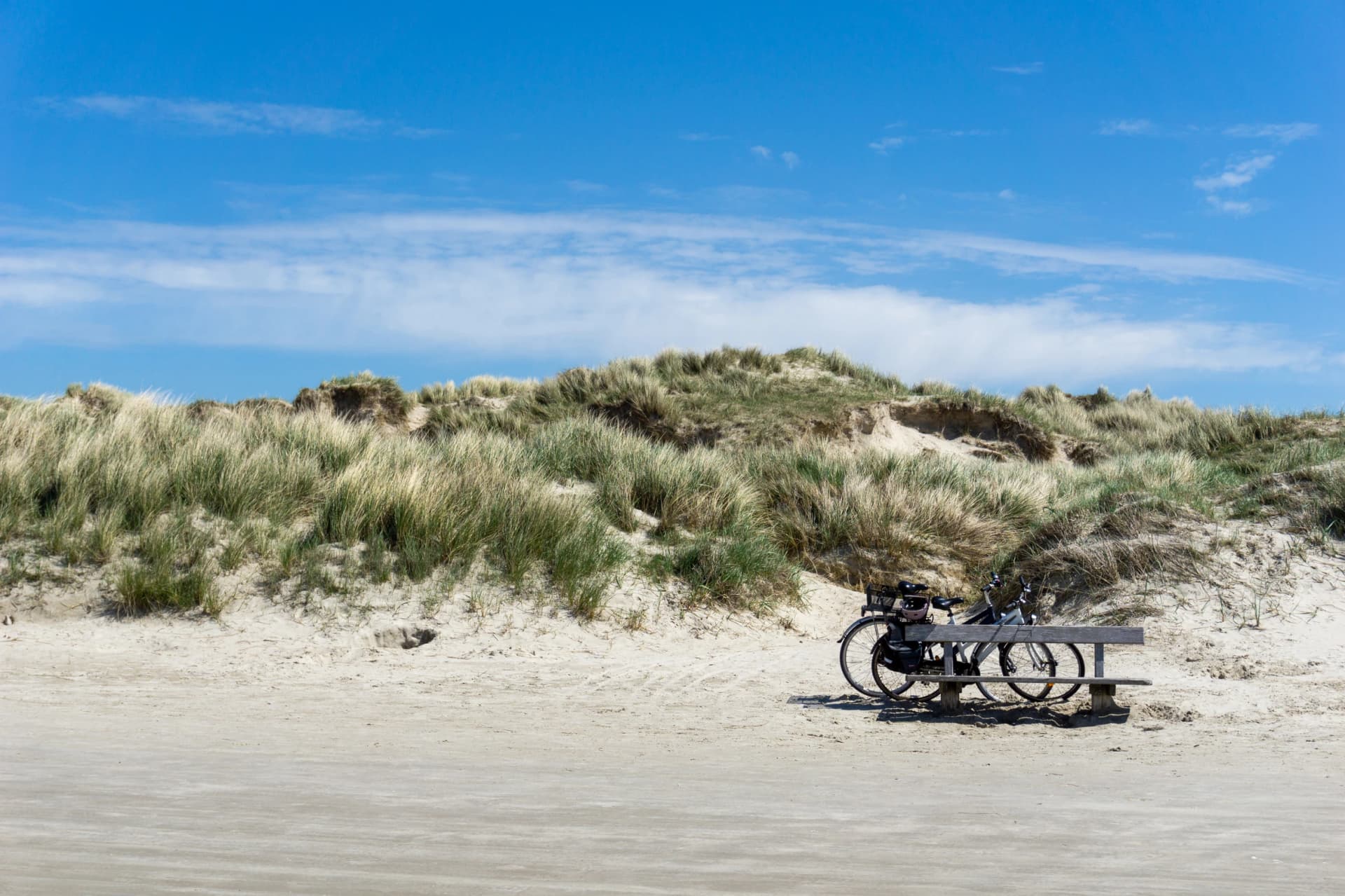
Cycling Denmark's west coast means a week with the North Sea on your left: wide beaches, high dunes and fishing villages that still haul their boats onto the sand. This tour rides it north from the fjord town of Thyborøn to Skagen, at the very top of Jutland.
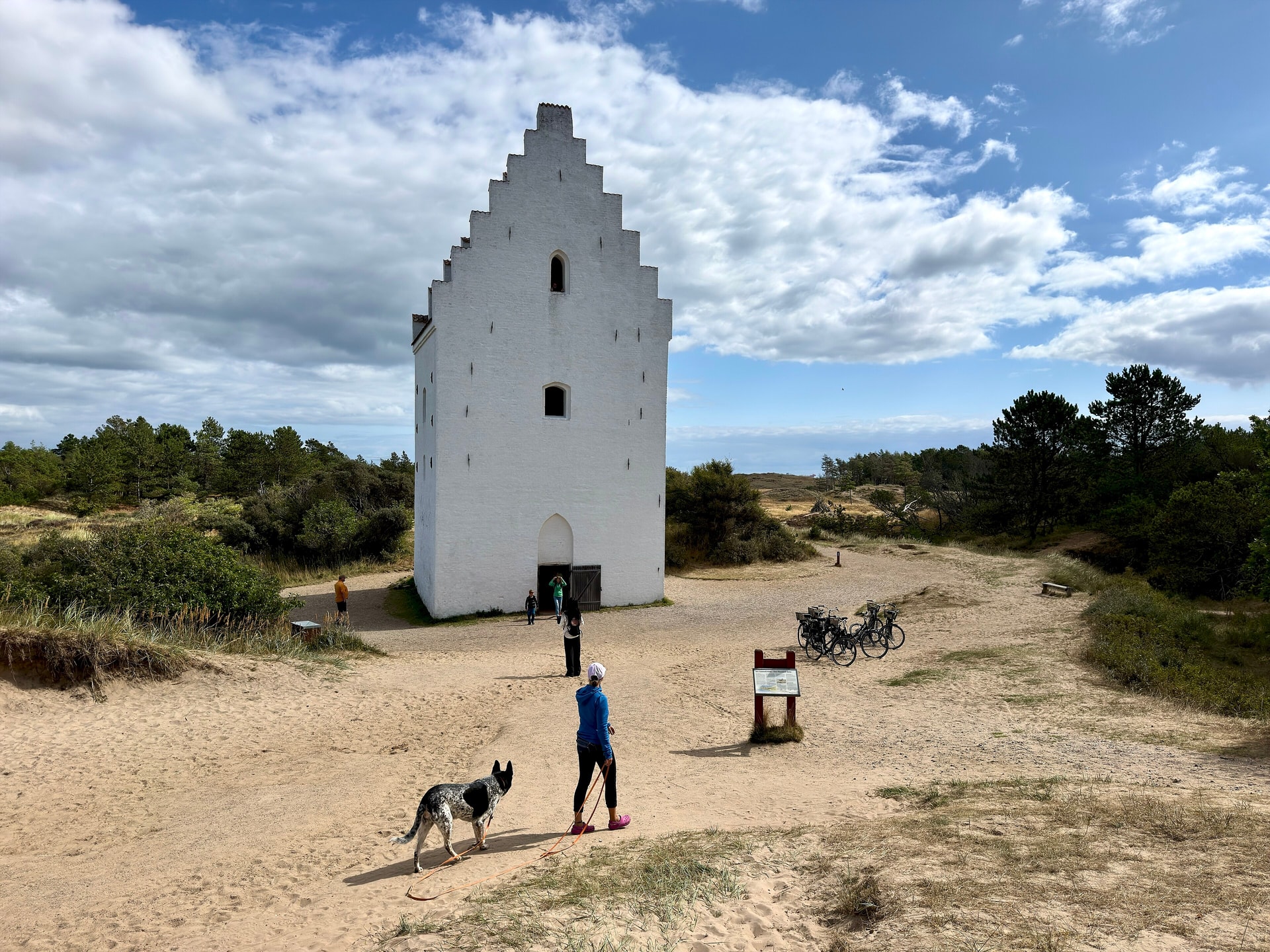
Almost all of it follows the North Sea Cycle Route, Danish national route 1 and part of EuroVelo 12, signed along cycle paths, quiet coastal roads and forest tracks. Six riding days add up to 280 km (174 mi) with under 1,000 m (3,300 ft) of climbing. The coast changes as you go: heath and dune lakes in Thy National Park, limestone cliffs and beach landings in Jammerbugt, then the shifting dunes of Vendsyssel, where sand buried a church and forced a lighthouse to move.
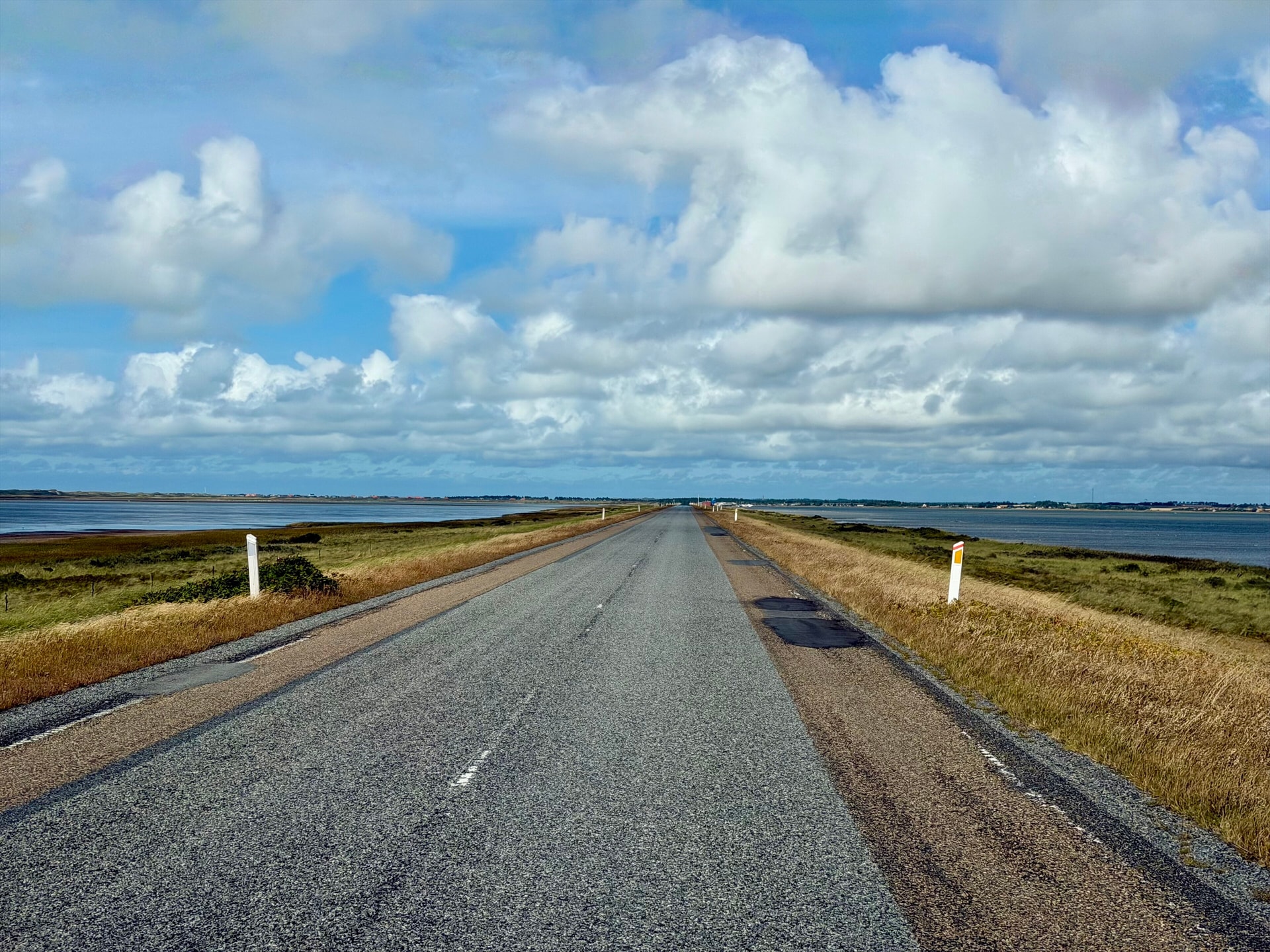
The land is flat, but the wind is the real effort on an open coast. It blows mostly from the west, so the tour runs south to north to keep it behind or beside you. Some stretches are gravel, which is why a trekking, gravel or e-bike with wide tires suits it better than a road bike.
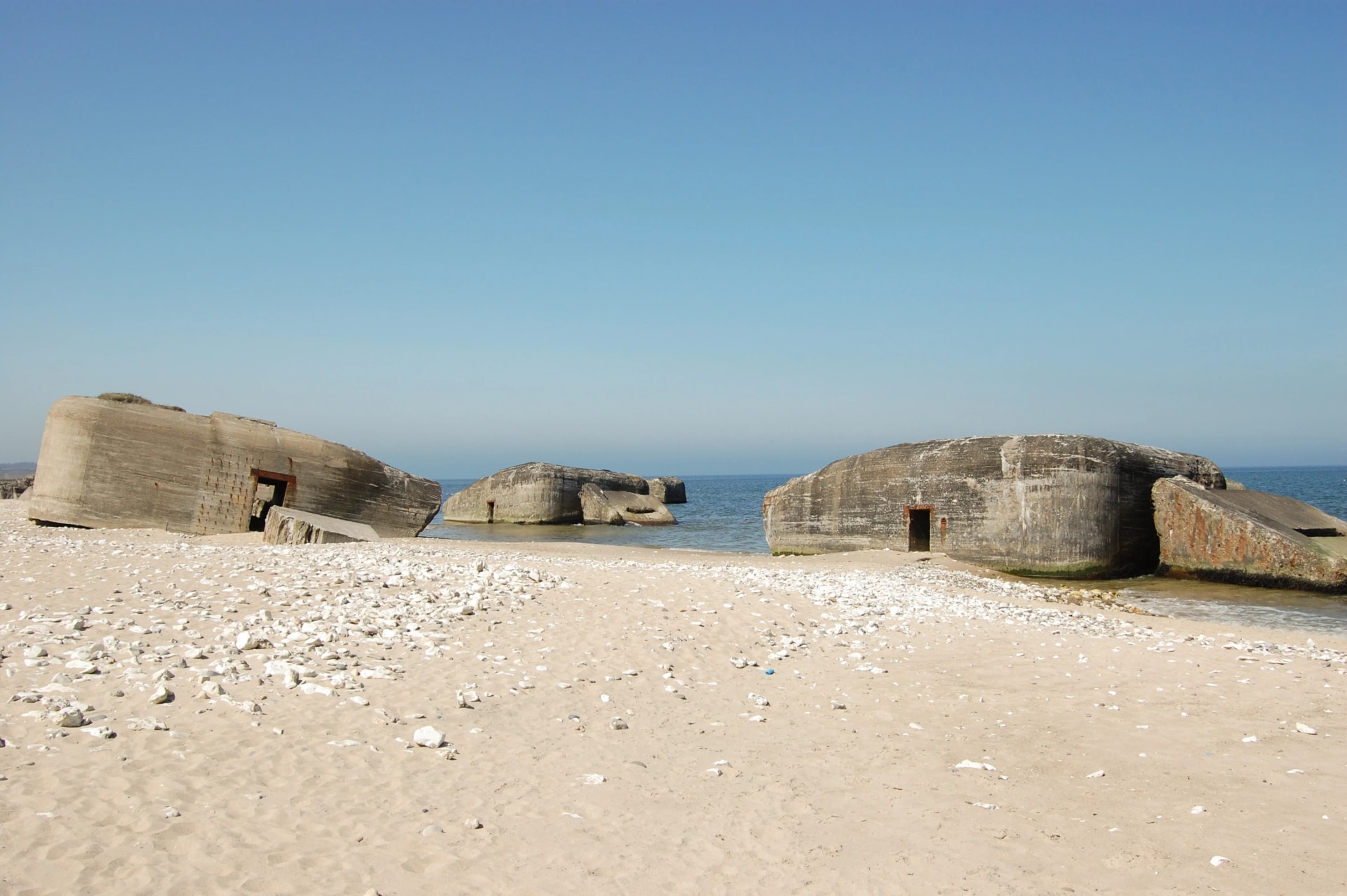
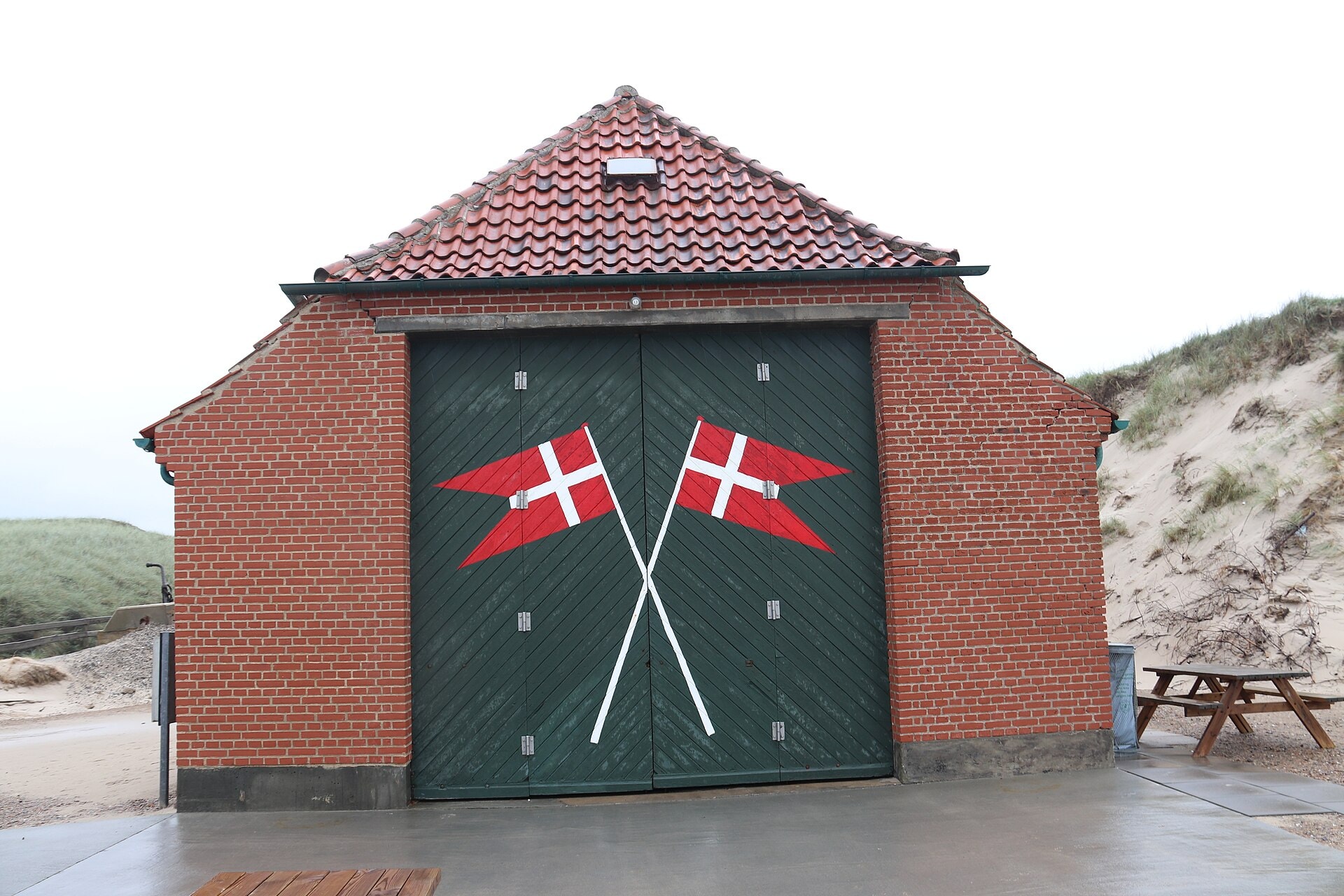
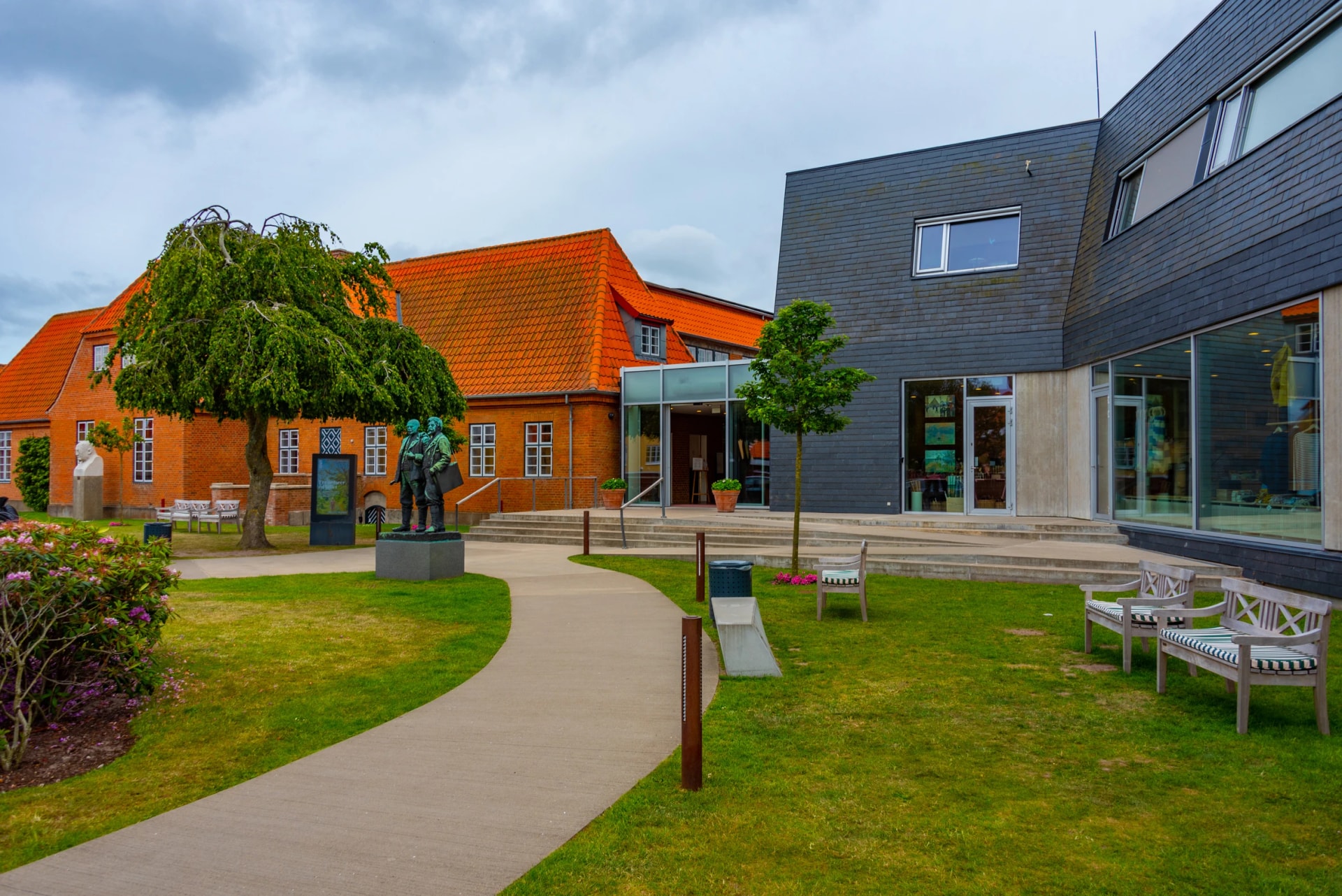
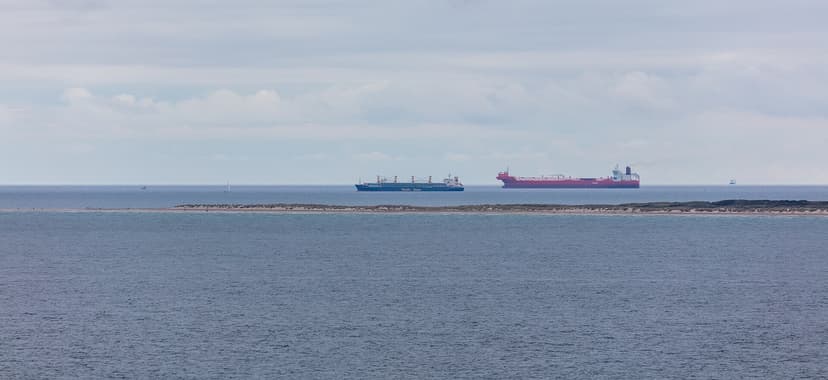
In 1916 the British and German fleets fought the Battle of Jutland off this coast, and their wrecks still lie on the seabed; the tour starts beside the museum that tells the story.
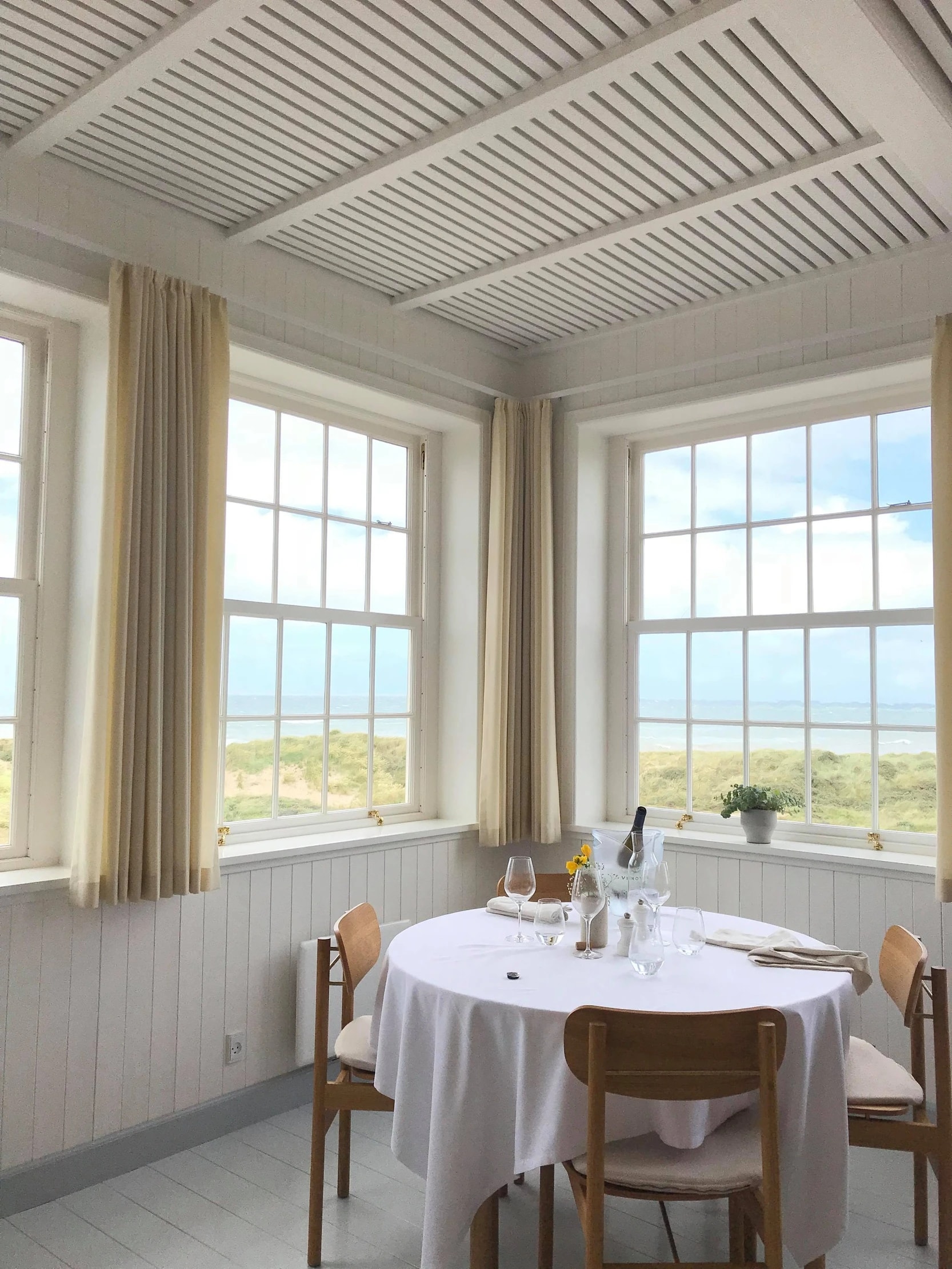
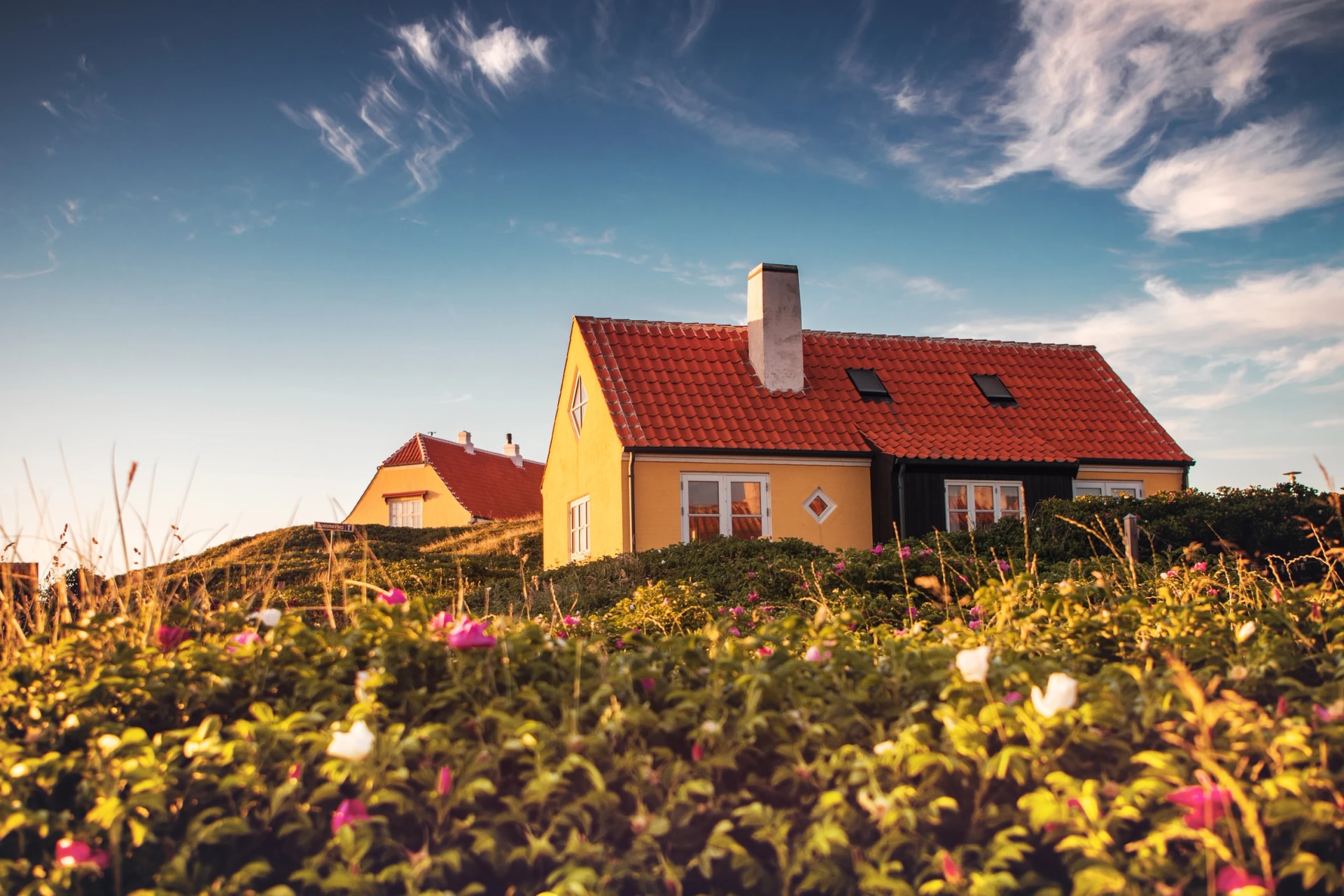
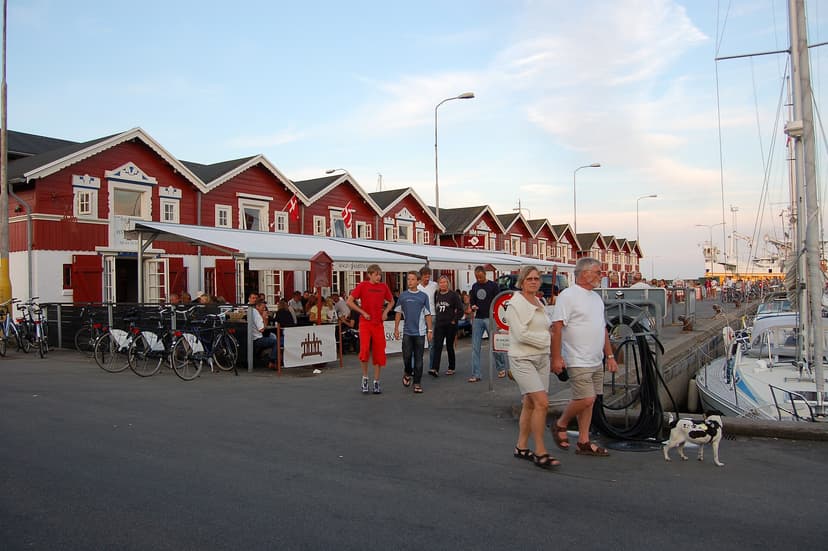
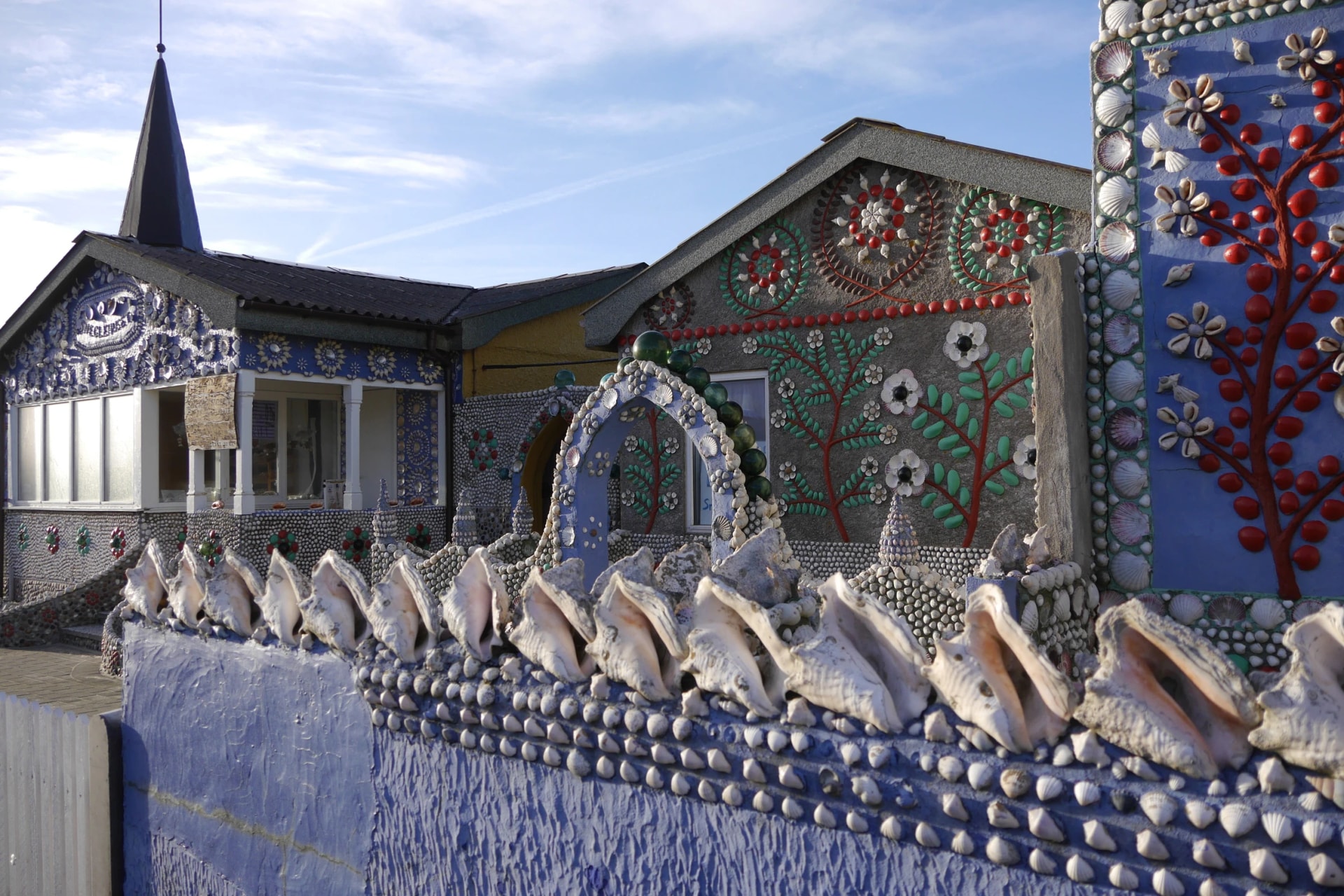
You sleep in small seaside hotels and one holiday apartment.
For castles and towns instead of dunes, see The Best of Royal Zealand. For an island week, there is the Ultimate Bornholm Bike Tour. Otherwise, pick your dates and ride north with the wind.
Accommodation levelComfort
Carefully selected seaside hotels and one holiday apartment, all with private en-suite rooms and breakfast where the property serves it. Expect comfortable, well-appointed rooms with attentive hospitality, typically in convenient and scenic locations, some properties also offer on-site dining.
Things to know

Hassle-Free
We take care of route planning, accommodations, luggage transfers, and all logistics, so you can focus purely on enjoying your ride.

Tried & Tested Adventures
Our cycling routes are hand-picked & tested, to ensure breathtaking landscapes, smooth roads, and maximum safety - giving you the perfect ride every day.

Unbeatable Support
Our 24/7 customer support is where we show our passion, ensuring your cycling holiday runs smoothly and your well-being is always our top priority.

Book with Confidence
We are a financially protected company, fully bonded and insured, keeping your money safe and allowing you to travel with confidence.

Local Experts
Our professional cycling guides in select locations know the local terrain and are trained to make this once-in-a-lifetime opportunity both safe and enjoyable.
from 1.905 € /person